VistaVision: 10 Essential Movies You Should See in This Remarkable Film Format
A guide to the large-format 35mm process behind some of Hollywood’s most striking images, and ten essential VistaVision films to watch.
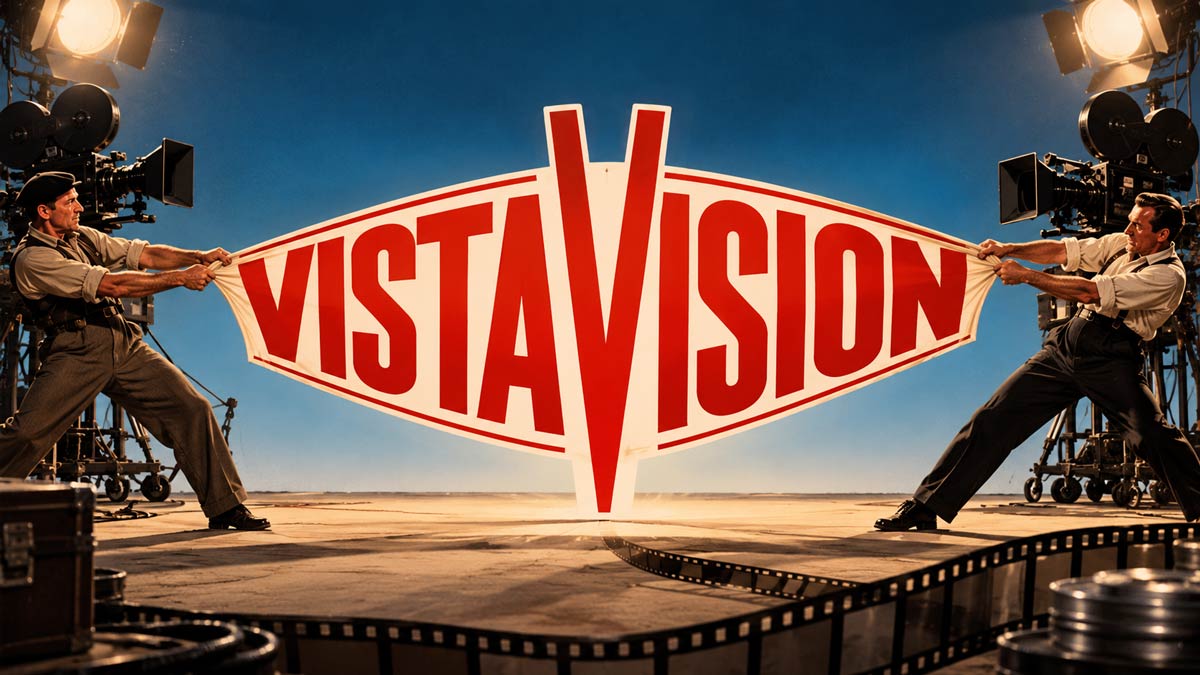
As Hollywood returns to large-format film, a forgotten 1950s technology is finding a new generation of admirers.
Hollywood is looking back to move forward.
At a time when digital cameras dominate film production, some of the world's most ambitious filmmakers are returning to large-format photochemical film to create images that feel different from the digital standard.
Christopher Nolan has taken that commitment to an extraordinary level with The Odyssey (2026), the first feature film shot entirely with IMAX film cameras. Meanwhile, Alejandro G. Iñárritu has embraced a very different large-format approach for Digger (2026), starring Tom Cruise, shooting the film entirely in VistaVision with cinematographer Emmanuel “Chivo” Lubezki.
These aren't simply nostalgic gestures. For filmmakers who care deeply about the texture, depth, detail and physical qualities of an image, film remains a creative choice in its own right. And the renewed interest in large-format photography has brought an almost forgotten name back into the conversation: VistaVision.
Introduced by Paramount Pictures in 1954, VistaVision was designed to capture a sharper, more detailed image using ordinary 35mm film stock in an unusual way. Instead of moving vertically through the camera, the film travelled horizontally, allowing each frame to occupy eight perforations rather than the conventional four.
The result was a much larger negative, with more image information available for printing and projection. It offered filmmakers a way to preserve fine detail and achieve excellent image quality without requiring every cinema to install a completely new projection system.
The format's original Hollywood era was relatively brief. Yet it produced some remarkable films, including Alfred Hitchcock's Vertigo and North by Northwest, John Ford's The Searchers, and Cecil B. DeMille's The Ten Commandments.
Now, more than 70 years after its introduction, VistaVision is experiencing a revival. Films such as The Brutalist, One Battle After Another and Bugonia have demonstrated that this vintage format can still inspire contemporary cinematographers.
So what exactly makes VistaVision different from other 35mm formats? Why did Hollywood abandon it, and why are filmmakers bringing it back?
And most importantly, which classic VistaVision films deserve a place on your watchlist?
Here are 10 essential movies to start with.
10 Essential VistaVision Movies You Should See
The following selection combines technical milestones, outstanding cinematography and films that remain essential viewing today. These are original-era VistaVision productions, rather than later films that used the format only for visual effects.
1. White Christmas (1954)
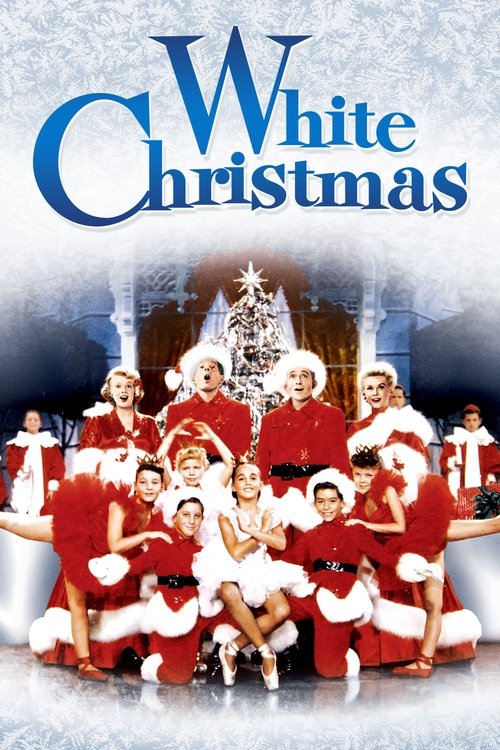
White Christmas
1954 / 120m
Director:
Michael Curtiz
Director: Michael Curtiz
The film that started it all. White Christmas follows two entertainers who team up with a sister act and attempt to save a Vermont inn run by their former commanding officer.
It's a colourful, lavish musical filled with elaborate dance numbers, theatrical sets and memorable songs. Its use of VistaVision demonstrates why Paramount introduced the format: a large, detailed image suited to spectacular widescreen entertainment.
Even if musicals aren't usually your first choice, this is an important starting point for understanding VistaVision's origins.
2. To Catch a Thief (1955)
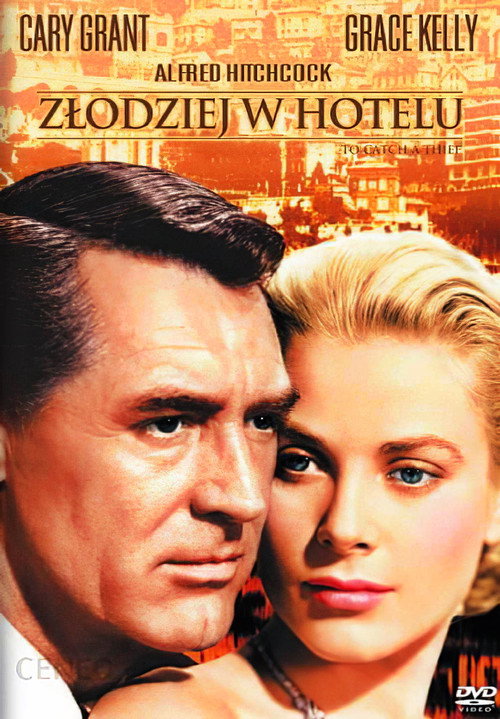
To Catch a Thief
1955 / 106m
Director:
Alfred Hitchcock
Director: Alfred Hitchcock
Cary Grant plays John Robie, a retired jewel thief who becomes the prime suspect when a series of robberies targets wealthy holidaymakers on the French Riviera. Grace Kelly plays the wealthy heiress who becomes involved in his attempt to uncover the real criminal.
Few films make better use of elegant locations, beautiful colours and widescreen composition. The Côte d'Azur landscapes, luxurious interiors and carefully framed close-ups give the film an extraordinary visual polish.
Hitchcock uses the frame to create glamour, suspense and romantic tension without making the photography feel showy.
Why watch it: For its sophisticated cinematography, vivid colours and effortless widescreen elegance.
3. The Trouble with Harry (1955)
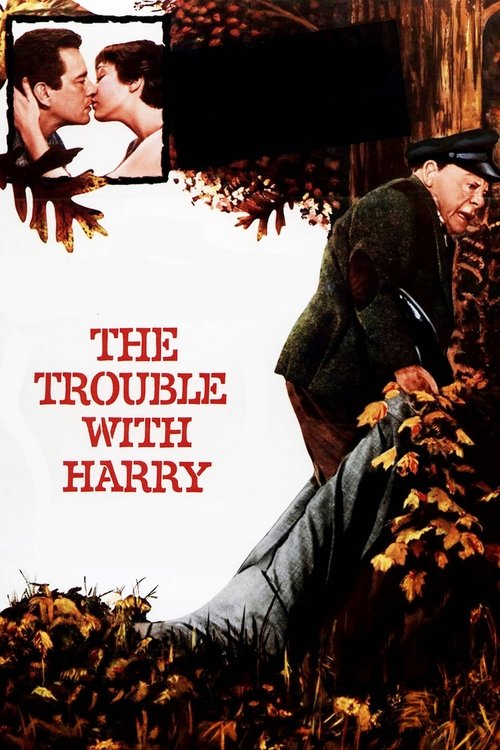
The Trouble with Harry
1955 / 99m
Director:
Alfred Hitchcock
Director: Alfred Hitchcock
A dead body appears in the countryside of rural Vermont, and several local residents become convinced that they may somehow be responsible for the death. Rather than unfolding as a conventional murder thriller, the story becomes a darkly comic mystery.
Hitchcock's use of autumn colours, woodland landscapes and carefully arranged compositions creates a striking contrast with the unusual subject matter.
The film is a reminder that VistaVision wasn't limited to enormous spectacles. Its detail and colour reproduction could also enrich a modestly scaled story.
Why watch it: For the autumnal photography, unusual humour and a different side of Hitchcock.
4. The Searchers (1956)

The Searchers
1956 / 119m
Director: John Ford
John Wayne stars as Ethan Edwards, a Civil War veteran who embarks on a years-long search for his abducted niece, accompanied by his younger companion Martin Pawley.
The film's Monument Valley landscapes are among the most iconic images in Western cinema. Vast rock formations, open skies and tiny figures moving across the landscape give the film an epic scale.
VistaVision helps preserve the visual information in these expansive compositions, while Ford's framing creates a powerful relationship between the characters and the landscape.
The film also explores obsession, racism, revenge and the moral contradictions of its central character.
Why watch it: For its monumental landscapes and its lasting influence on the visual language of the Western.
5. The Ten Commandments (1956)

The Ten Commandments
1956 / 220m
Director: Cecil B. DeMille
Cecil B. DeMille's biblical epic tells the story of Moses, from his upbringing in the Egyptian royal household to his struggle to lead the Israelites out of slavery.
Massive sets, elaborate costumes, large crowds and spectacular effects make it an ideal showcase for VistaVision's strengths. The film's scale is unmistakably theatrical, but the photographic detail gives the sets and costumes an impressive richness.
Its famous special-effects sequences also demonstrate how the format could support complex composite imagery.
Why watch it: For the sheer scale of its production design and its place in the history of Hollywood spectacle.
6. Funny Face (1957)
Funny Face
1957 / 103m
Director:
Stanley Donen
Director: Stanley Donen
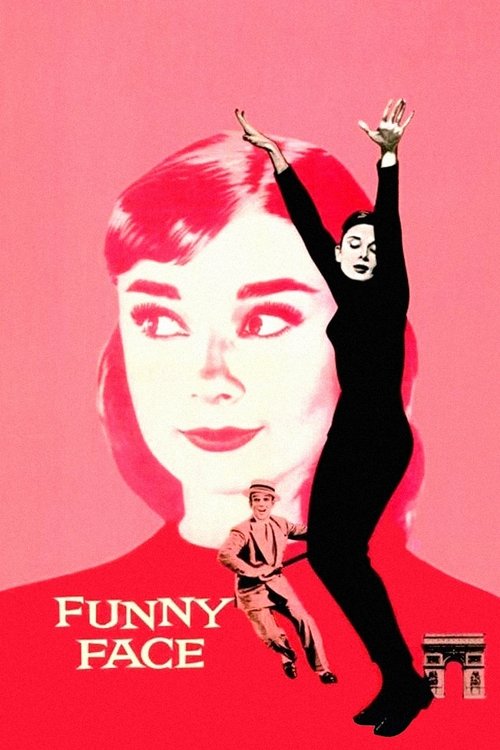
Audrey Hepburn plays Jo Stockton, a bookshop assistant who is discovered by a fashion photographer played by Fred Astaire. Their journey takes them from New York to Paris, where fashion, photography and romance collide.
The film's use of Parisian locations, striking colour combinations and carefully choreographed musical numbers makes it one of VistaVision's most visually appealing productions.
The photography feels especially suited to fashion: clothing, architecture, faces and colour all become part of the composition.
Why watch it: For its sophisticated colour design, Parisian atmosphere and stylish musical sequences.
7. Vertigo (1958)
Vertigo
1958 / 128m
Director: Alfred Hitchcock
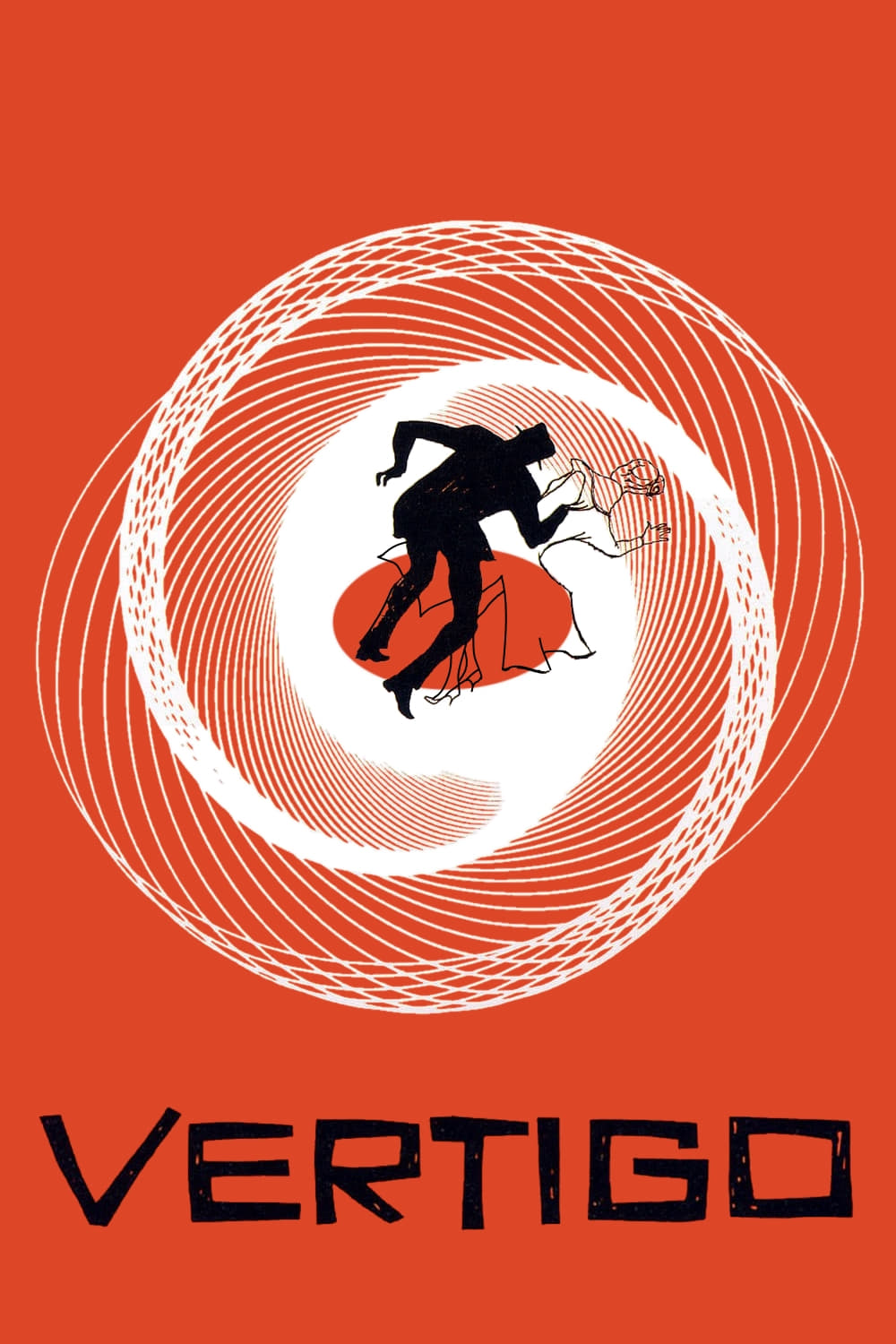
Perhaps the most essential film on this list, Vertigo follows former detective Scottie Ferguson, played by James Stewart, who develops an obsession with a mysterious woman played by Kim Novak.
Hitchcock uses colour, architecture, camera movement and carefully controlled framing to create an atmosphere of psychological unease. The famous dolly-zoom effect, developed to express Scottie's fear of heights, remains one of cinema's most recognizable visual techniques.
VistaVision's large negative supports the film's richly detailed images, from San Francisco locations to the dreamlike use of colour and light.
Yet the format is only part of the achievement. Robert Burks's cinematography and Hitchcock's visual storytelling turn technical choices into expressions of obsession, memory and identity.
Why watch it: For one of the most influential combinations of cinematography, colour and psychological storytelling in film history.
8. North by Northwest (1959)
North by Northwest
1959 / 136m
Director: Alfred Hitchcock
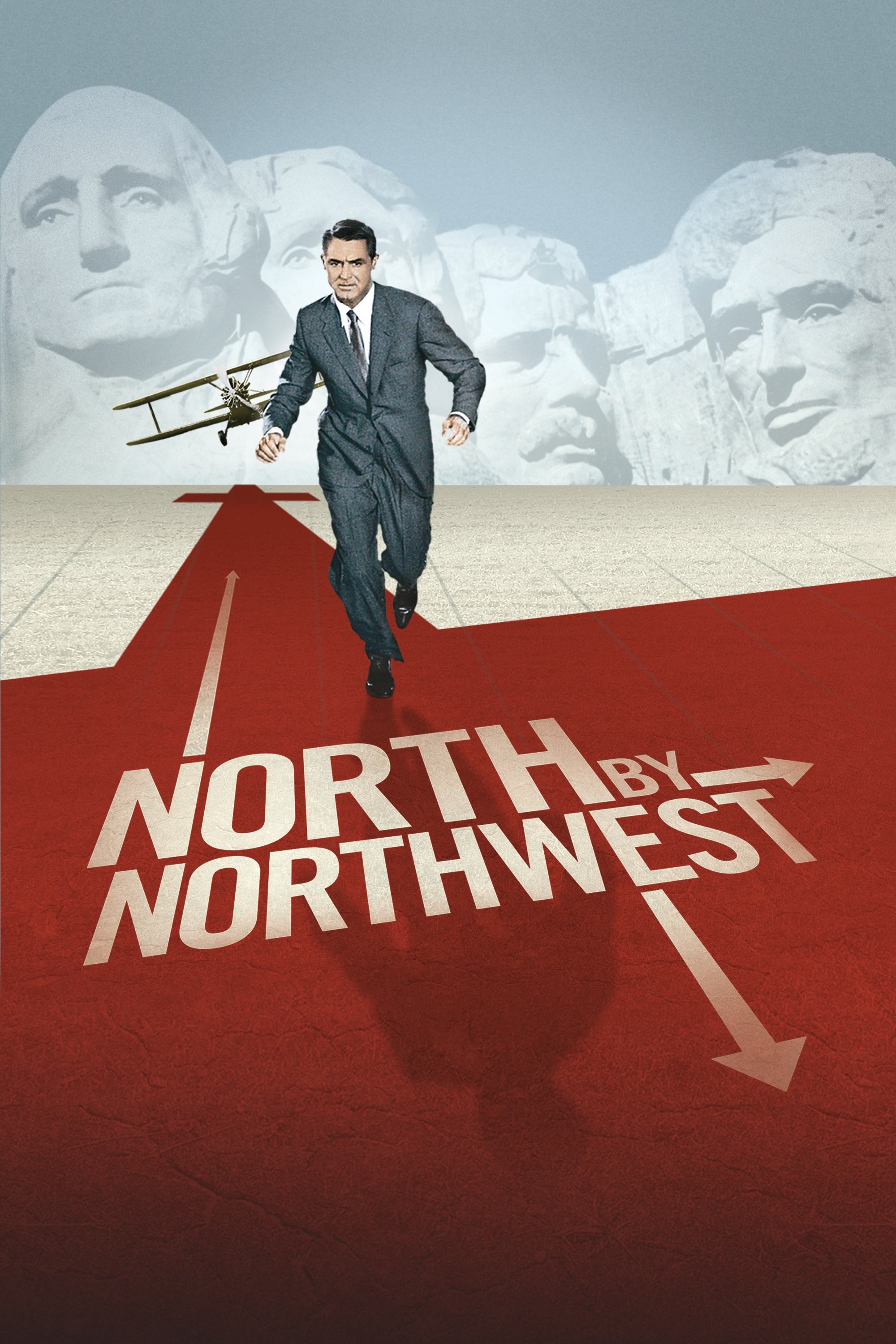
Cary Grant plays Roger Thornhill, an advertising executive who is mistaken for a government agent and drawn into an international conspiracy. His desperate attempt to escape leads to a succession of iconic set pieces.
From the open landscape of the crop-duster sequence to the monumental architecture of Mount Rushmore, Hitchcock turns locations into sources of suspense.
The film demonstrates how widescreen compositions can communicate vulnerability. Grant's character often appears isolated in enormous spaces, surrounded by landscapes that offer little protection.
The sharpness and detail associated with VistaVision suit the film's clean compositions and spectacular locations.
Why watch it: For its masterful suspense, iconic set pieces and some of Hitchcock's most memorable visual compositions.
9. The Man Who Knew Too Much (1956)

The Man Who Knew Too Much
1956 / 120m
Director: Alfred Hitchcock
James Stewart and Doris Day play an American couple whose holiday takes a dangerous turn after they become involved in an international assassination plot.
The film builds suspense through carefully controlled information, framing and sound. Its most famous sequence takes place at London's Royal Albert Hall, where the timing of a musical performance becomes central to a planned assassination.
VistaVision's detailed image supports Hitchcock's use of faces, crowds and architectural space, allowing the tension to emerge from what the audience sees and anticipates.
Doris Day's performance also gives the story an emotional centre beyond the mechanics of the thriller.
Why watch it: For the Royal Albert Hall sequence, the suspenseful staging and Hitchcock's control of cinematic timing.
10. One-Eyed Jacks (1961)
One-Eyed Jacks
1961 / 141m
Director: Marlon Brando
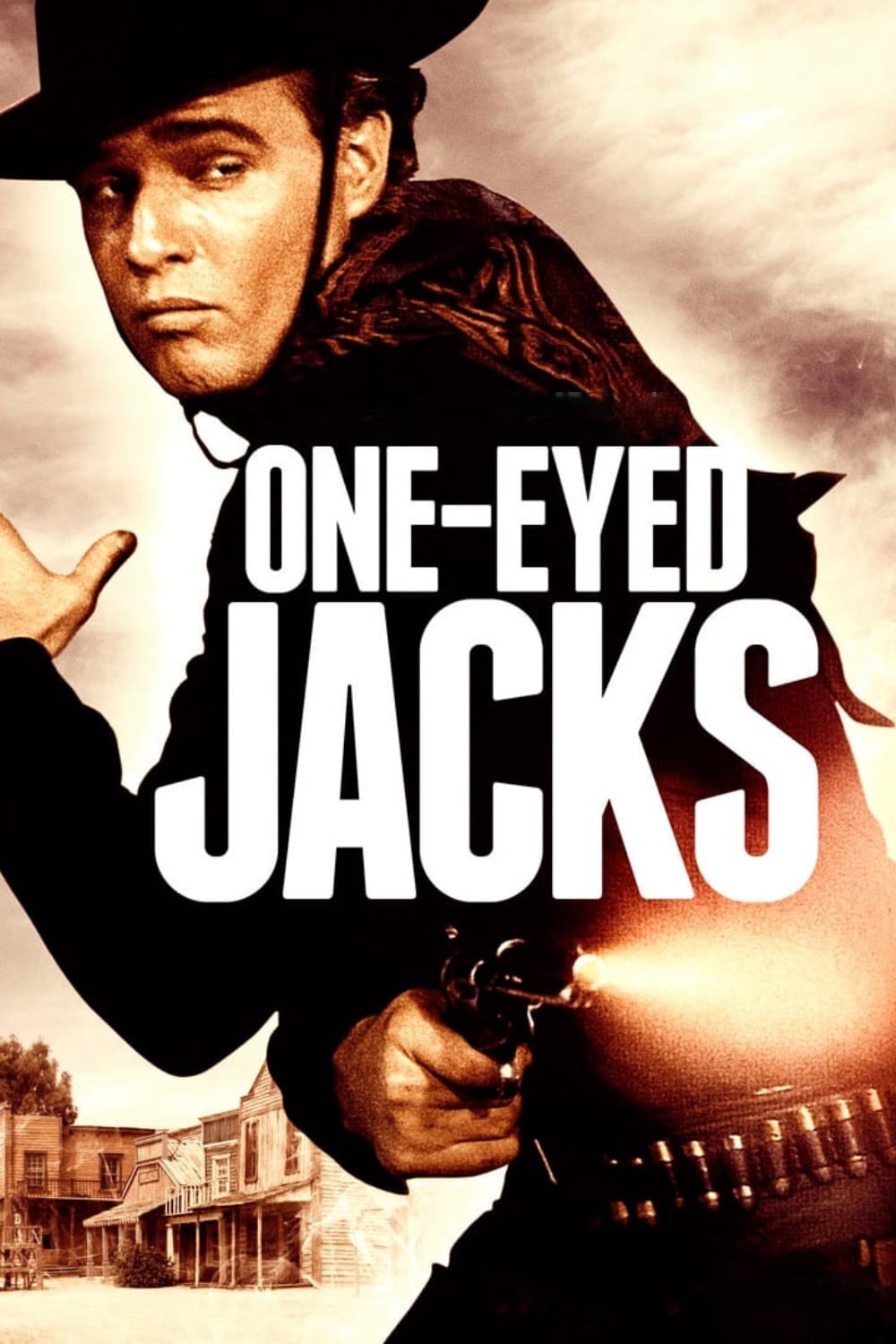
Marlon Brando directs and stars in this Western about Rio, a bank robber betrayed by his partner, Dad Longworth, played by Karl Malden. Years later, Rio seeks revenge, only to find that their relationship is more complicated than he expected.
The film's landscapes, weathered faces and restrained colour palette give it a distinctive visual identity. Brando's approach is less concerned with the traditional heroic image of the Western and more interested in betrayal, revenge and moral ambiguity.
As one of the final American features of the original VistaVision era, it provides a fitting conclusion to this journey through the format.
Why watch it: For Brando's distinctive direction, the atmospheric Western photography and its place at the end of VistaVision's first era.
VistaVision's Legacy
VistaVision was never simply another widescreen gimmick. It was a practical engineering solution to a real cinematic problem: how to capture more image detail while delivering films that could still be distributed to ordinary cinemas.
Its original life was relatively short, but the format produced a remarkable body of work. From the romantic glamour of To Catch a Thief to the psychological precision of Vertigo and the epic landscapes of The Searchers, VistaVision became part of the visual history of Hollywood.
Its later use in visual effects demonstrated the continued value of a large photographic negative. And its modern revival reflects renewed interest in the texture, resolution and distinctive qualities of shooting on film.
For movie lovers, the best way to appreciate VistaVision is to watch these films with an eye for the image: the details in a landscape, the richness of a costume, the way a face sits within a frame, or the relationship between a character and the space around them.
Start with Vertigo, North by Northwest and The Searchers. Together, they offer three very different demonstrations of what VistaVision could do: psychological precision, spectacular suspense and epic visual storytelling.
The technology may be decades old, but the images remain extraordinary.