When In Doubt, I Always End Up With Hitchcock
This is not a ranking. This is not a list of Hitchcock’s “best” films. This is a personal selection — films I experienced emotionally, films that helped me fall in love with cinema, each one leaving a very specific mark.
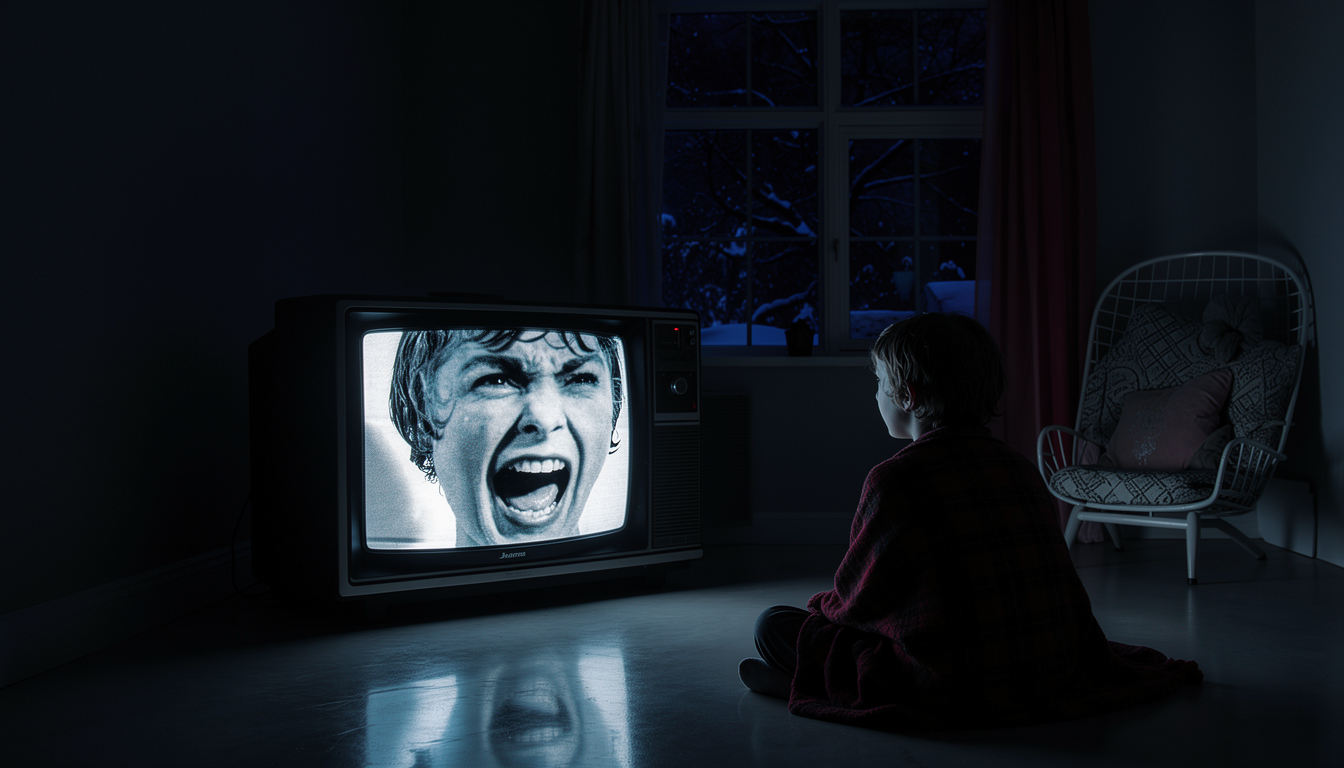
Every time I start wondering what my next blog post should be about — whether I should try something new, write about my favorite film of the past year, or obsess over a movie I’m already waiting for next year — I somehow always end up in the same place.
Hitchcock.
Today, while casually browsing my own film library, I stumbled upon a small book titled “The Cinema of Alfred Hitchcock” by Peter Bogdanovich. On the very first page, there’s a dedication.
To myself.
Apparently, years ago, I dedicated the book to myself as a small reward for passing an exam at university. A kind of cinematic pat on the back.
Yes — self-motivation, Hitchcock-style.
Hitchcock was one of the first directors whose name I remembered as a child. Mostly because my mother talked about his films with a mix of excitement and mild trauma. She used to say she literally jumped in her seat during Hitchcock movies at the cinema.
Whenever one of his films appeared on TV, I was privileged enough to watch it. That’s how the fascination began — early, naturally, and permanently.
Wait…
Have I ever actually made a Hitchcock Movie You Must See?
No?
Well then — this seems like the perfect moment.
After all, this website is dedicated to Movies You Must See.
This is not a ranking.
This is not a list of Hitchcock’s “best” films.
This is a personal selection — films I experienced emotionally, films that helped me fall in love with cinema, each one leaving a very specific mark.
🎬 10 Hitchcock Movies You Must See
The Birds (1963)
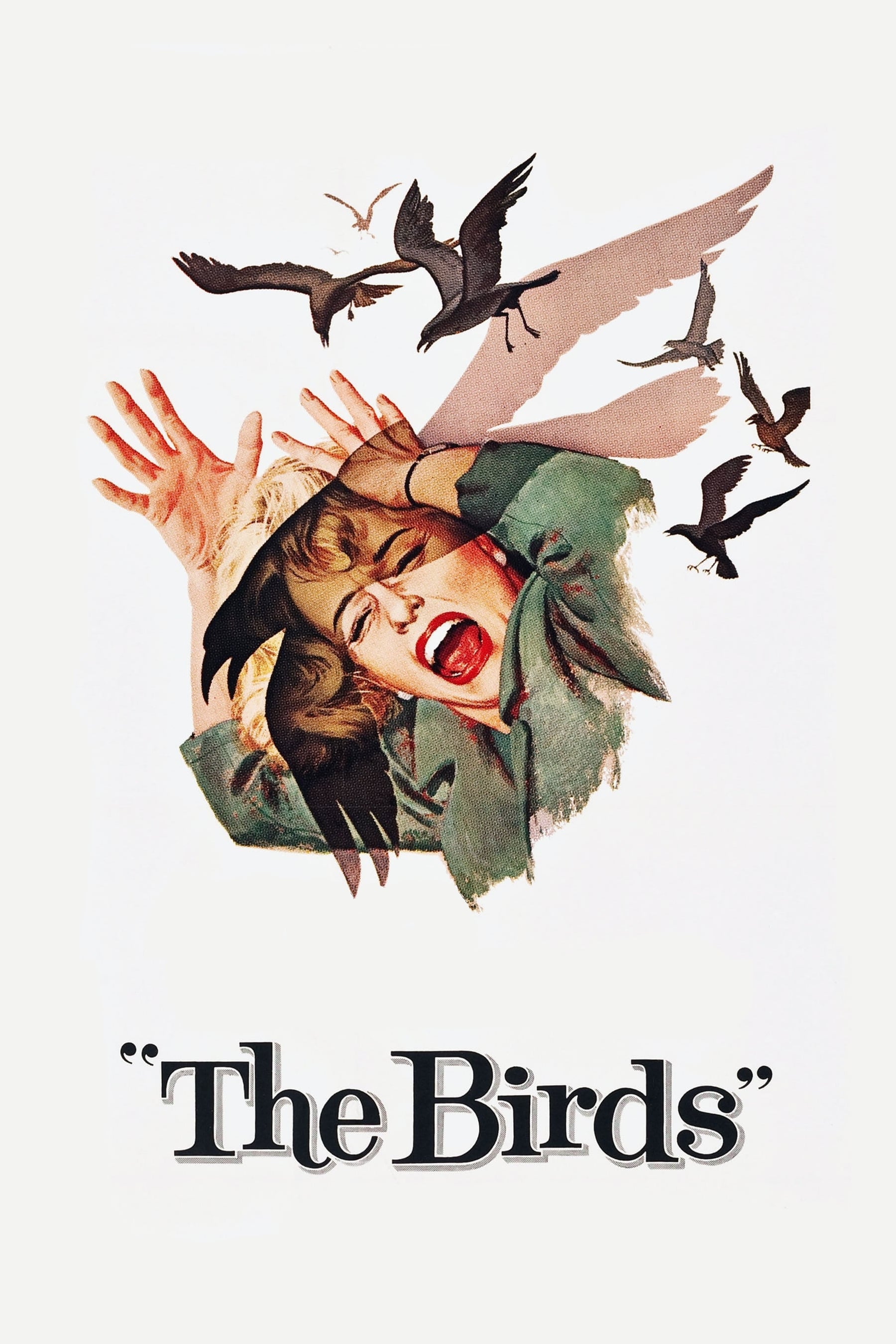
The Birds
1963 / 119m
Apocalypse without explanation.
This was the very first Hitchcock film I ever watched. I still vividly remember the fear — especially the schoolyard scene, where Tippi Hedren waits calmly while birds slowly gather behind her. No warning. No music. Just silence… and inevitability.
When the chaos finally explodes, it feels uncontrollable and deeply disturbing.
What confused me as a child was the lack of music. I knew that in horror films, at least half of the fear comes from the score.
Hitchcock proved that sometimes silence is the scariest sound of all.
Plus: A horror film without explanations often stays with you much longer than one that explains everything.
Frenzy (1972)

Frenzy
1972 / 116m
A dark, uncomfortable return home.
Hitchcock’s penultimate film marks his return to Britain — and it feels raw, mean, and unapologetic. Far from polished Hollywood thrillers, Frenzy is ugly in the best possible way.
The strangulation scene involving Barbara Leigh-Hunt haunted me for years — not because it’s graphic, but because it feels disturbingly real.
Then there’s that unforgettable camera movement: leaving the crime scene, exiting the building, drifting across the street — all in one fluid, seemingly invisible shot.
Plus: Proof that Hitchcock could still disturb audiences even at the end of his career.
Spellbound (1945)
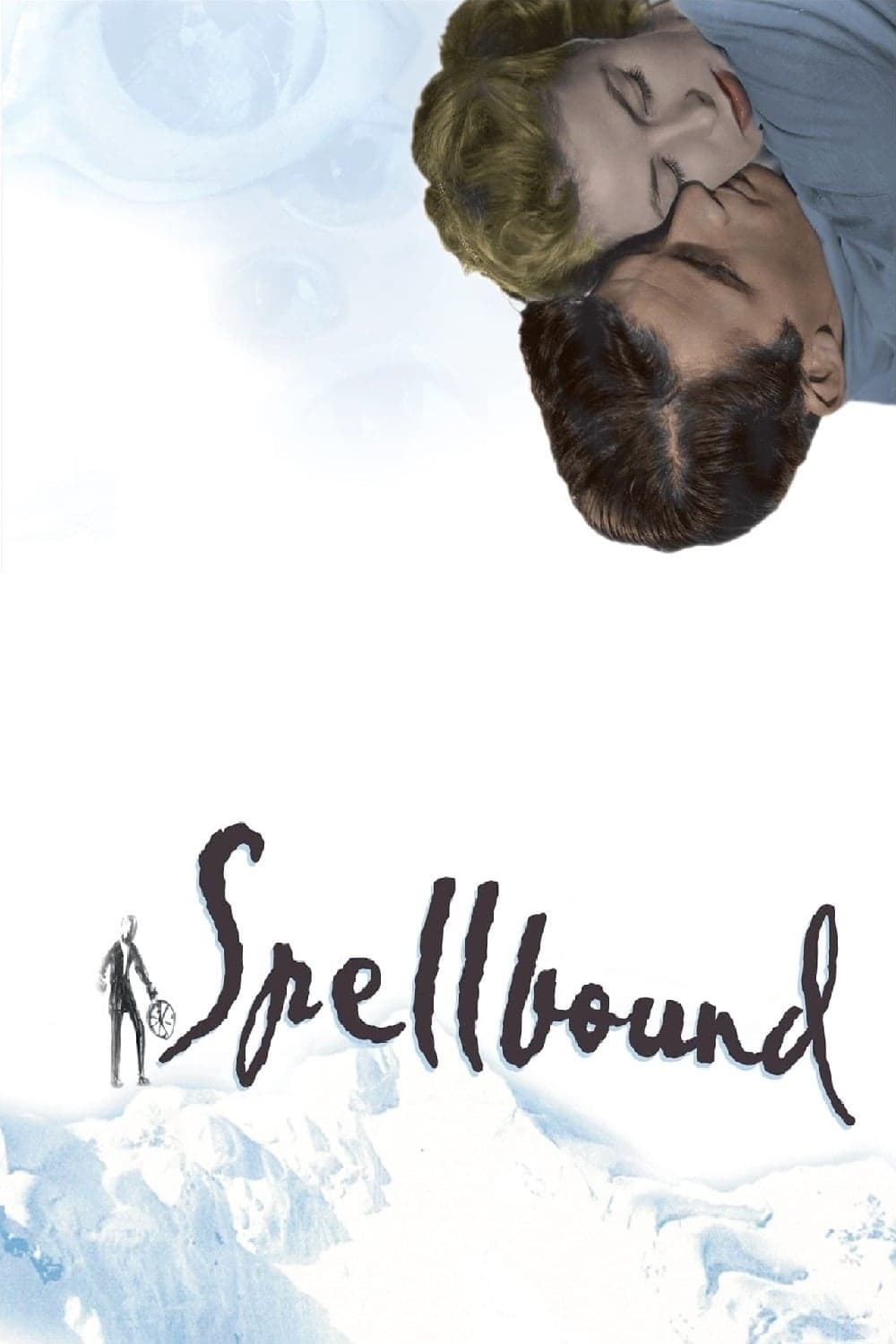
Spellbound
1945 / 111m
Love, guilt, and the unconscious mind.
For me, this is one of Hitchcock’s most mysterious films. What truly fascinated me was Ingrid Bergman’s character — so deeply in love that she’s willing to risk everything and run away with a man who might be a murderer.
It’s irrational, emotional, and very human.
This film was also my introduction to Salvador Dalí. The dream sequence remains one of the most imaginative and visually striking depictions of dreams ever filmed.
Plus: Psychoanalysis has rarely looked so poetic — or so cinematic.
Rope (1948)
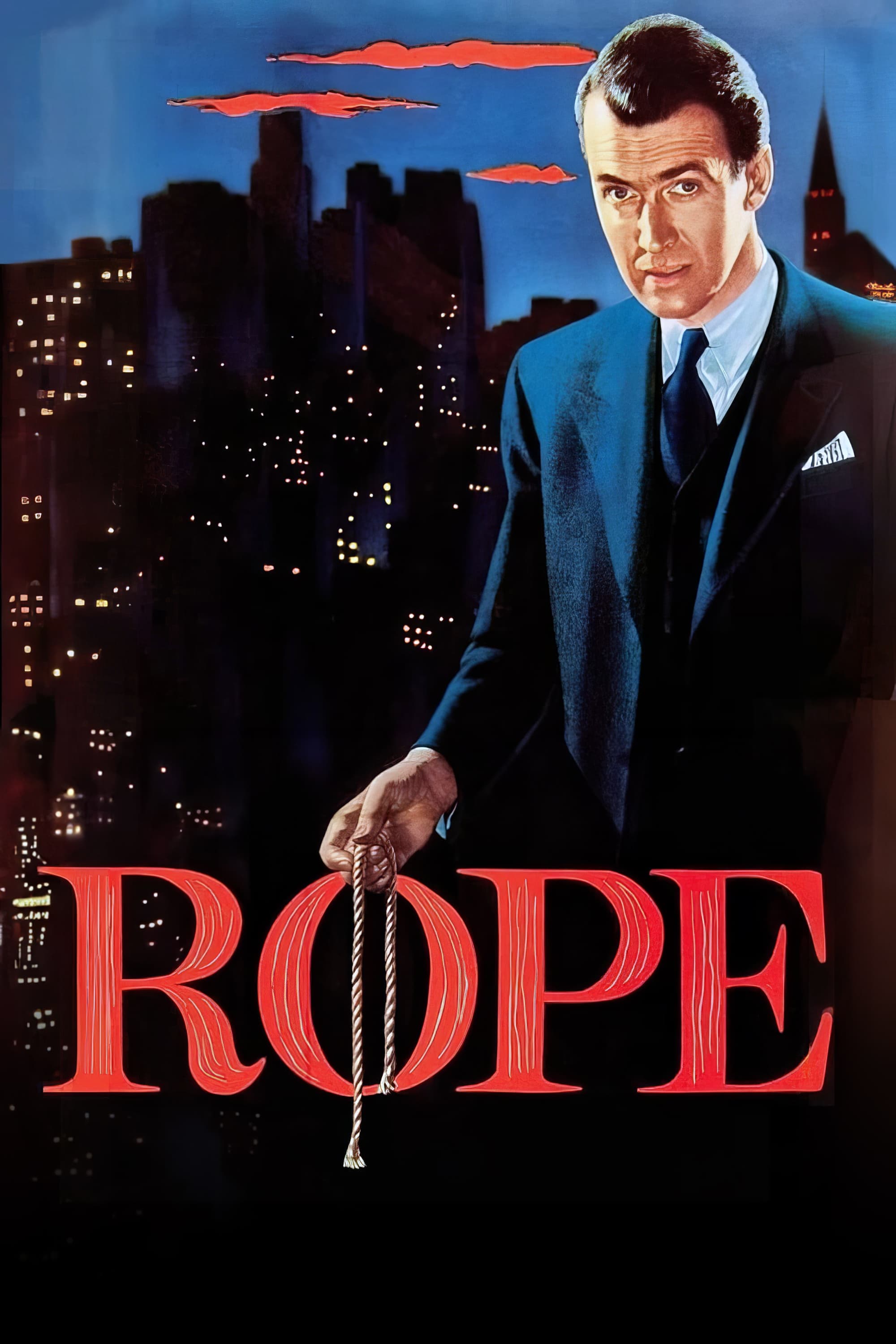
Rope
1948 / 80m
Cinema as a technical dare.
Even today, we admire films and series that appear to be shot in one continuous take — Birdman (2014), 1917 (2019), or shows like Adolescence (2025).
But Hitchcock did this experiment back in 1948.
Rope unfolds almost entirely in real time, inside one apartment, hiding its cuts in darkness and movement. What makes it even more impressive is how naturally the tension grows.
Plus: A formal experiment and an intellectual thriller inspired by Nietzsche — bold and fearless filmmaking.
Rebecca (1940)
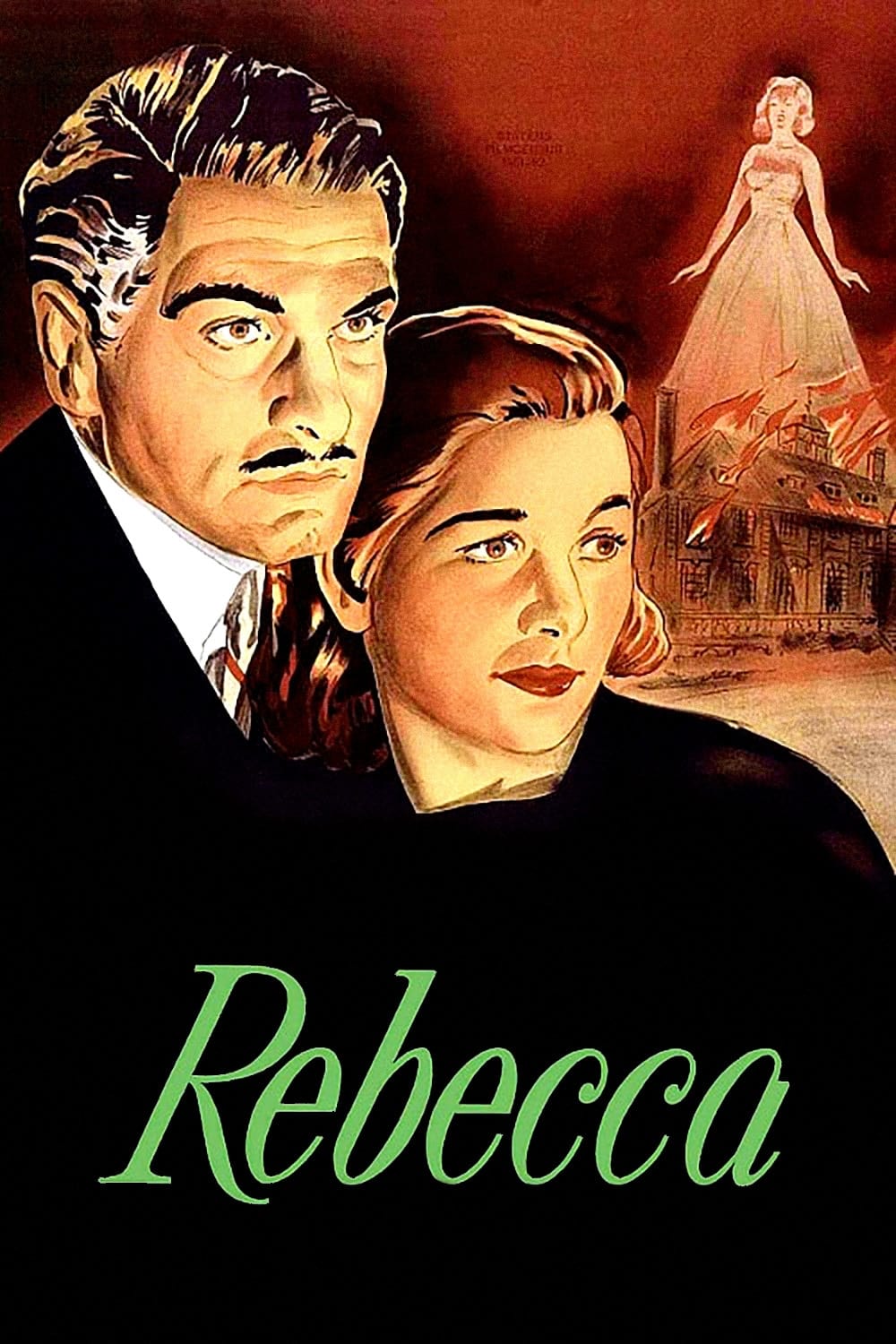
Rebecca
1940 / 130m
A presence you never see.
Hitchcock once said that in Rebecca he tried to fight editing by relying on a constantly moving camera — and later admitted that he didn’t completely succeed.
But failure never looked this elegant.
The film is haunted by a woman who never appears on screen, yet dominates every frame. Atmosphere, jealousy, and obsession slowly suffocate the story.
Plus: A ghost story without a ghost — and one of cinema’s most powerful absences.
Notorious (1946)
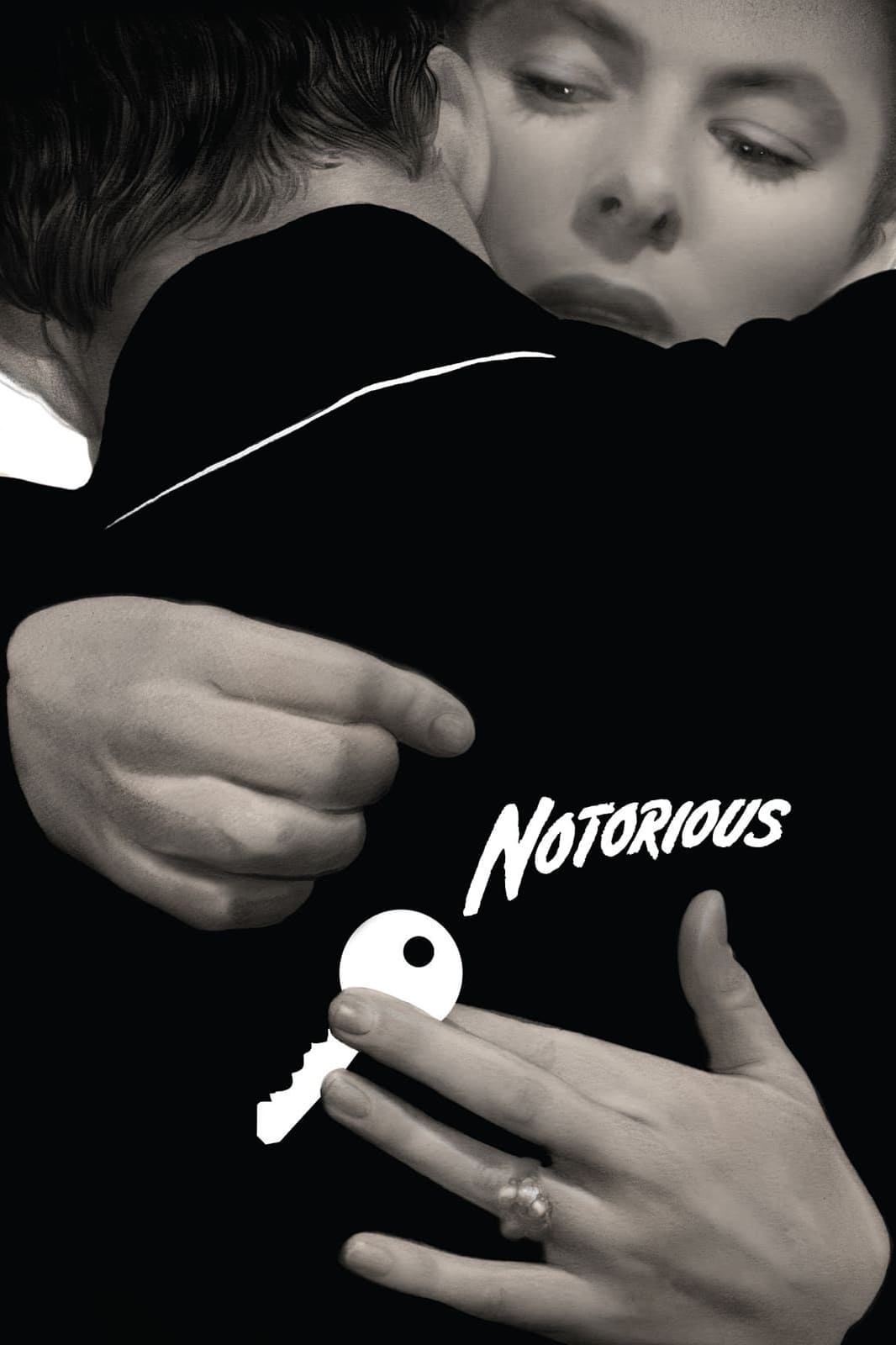
Notorious
1946 / 102m
Romance disguised as a spy film.
The first time I watched Notorious, I was excited because it was a spy thriller.
Now, the espionage feels secondary.
The real magic lies in the relationship between Ingrid Bergman and Cary Grant — especially in the way Grant’s character hides his feelings behind cool indifference. The emotional cruelty feels more dangerous than any secret mission.
Plus: One of the most elegant thrillers ever made, driven by pure chemistry.
Psycho (1960)
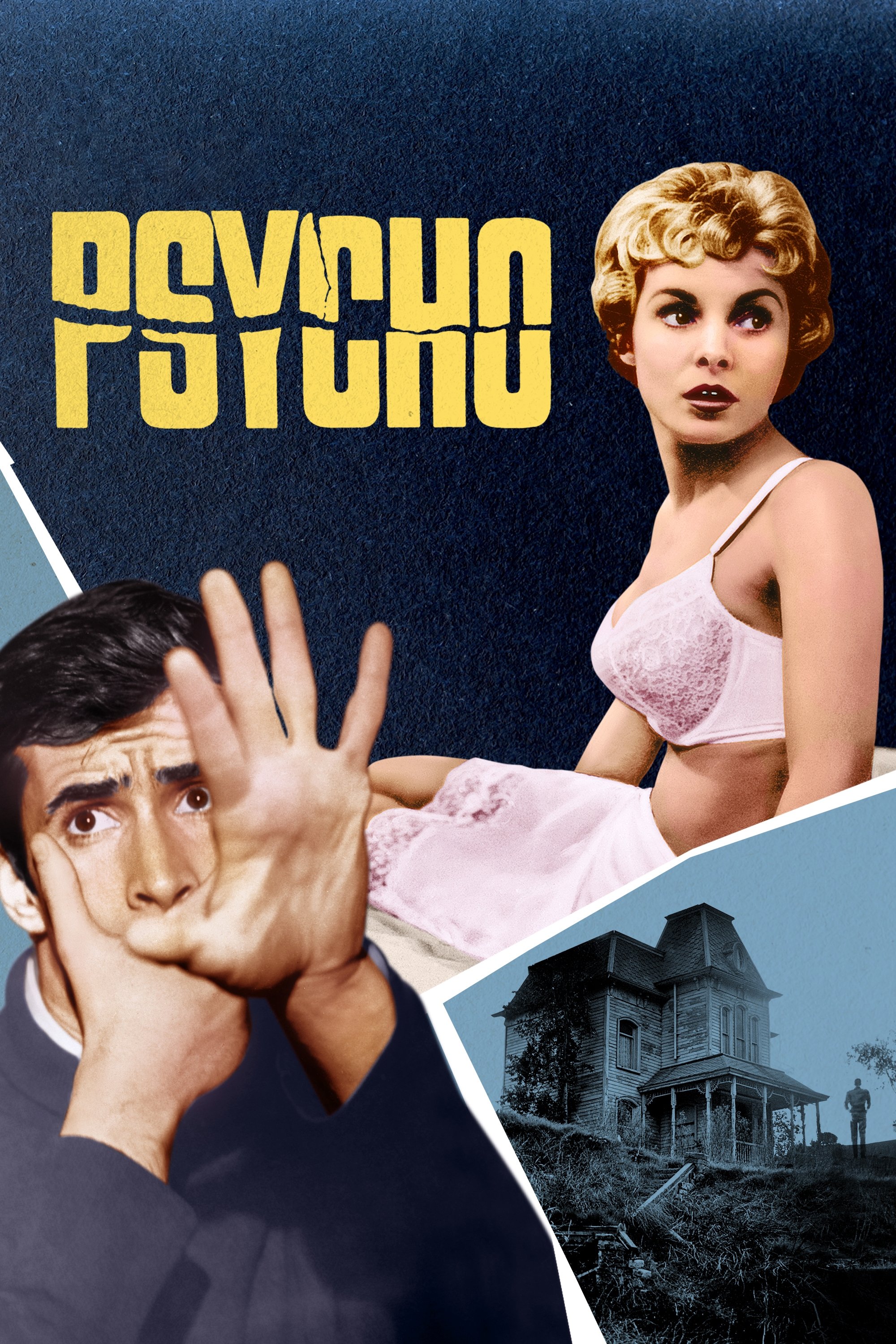
Psycho
1960 / 109m
When music becomes a character.
Psycho was the film that made me understand that film music can act.
The infamous shower scene would be dramatically weaker without Bernard Herrmann’s shrieking strings. The music doesn’t accompany the violence — it becomes the violence.
Hitchcock doesn’t just scare the audience here; he completely rewires their expectations.
Plus: A film that didn’t just change horror — it changed how audiences watch movies.
Rear Window (1954)
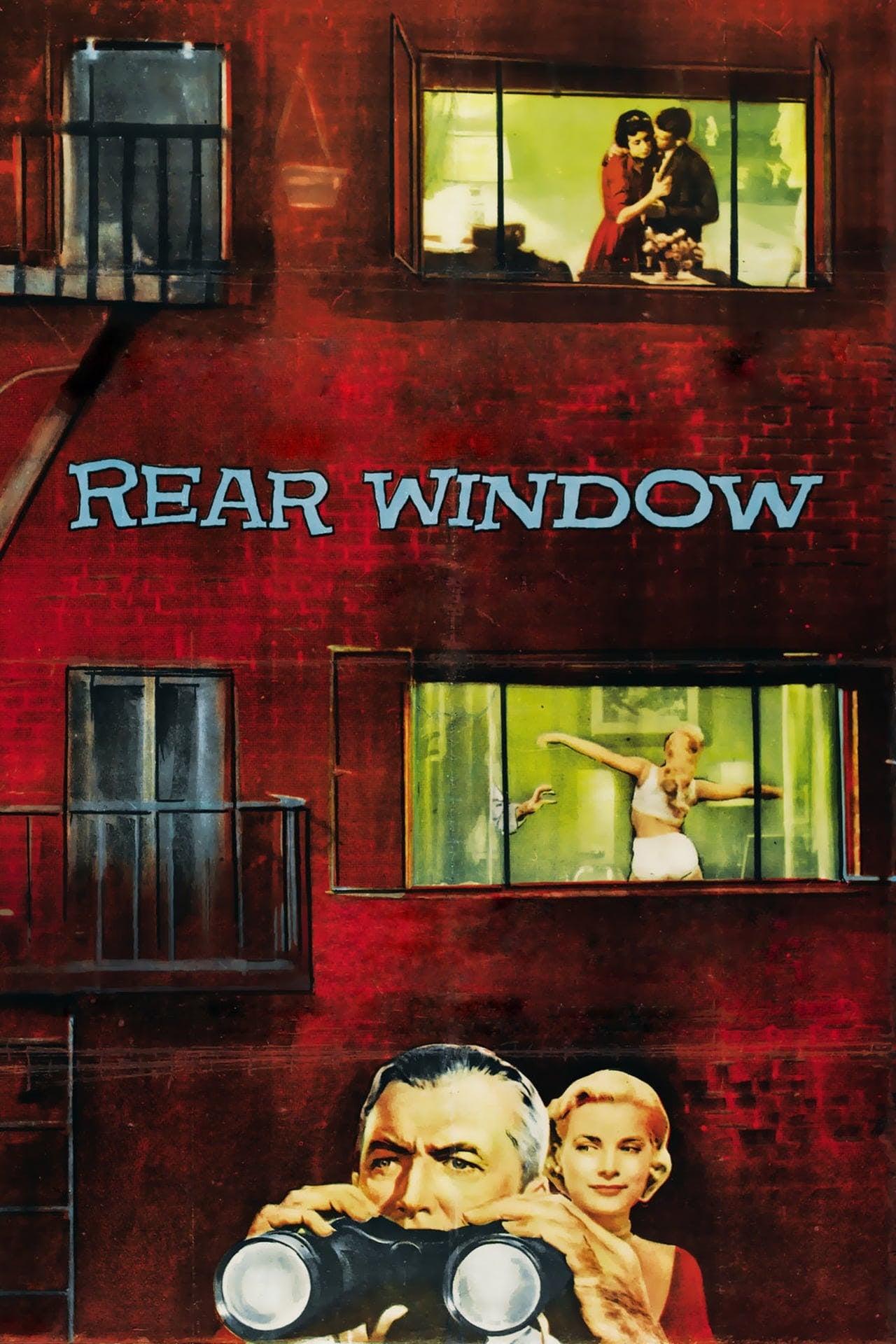
Rear Window
1954 / 112m
Comfort, curiosity, and danger.
Despite its dark themes, this film always gives me a strange sense of warmth.
A beautifully constructed neighborhood. Summer heat. Open windows. Music drifting through the air. Grace Kelly in every possible definition of elegance.
And somewhere in the middle of all that — a murder.
Plus: Absolute proof that one set and a great idea are enough to create endless tension.
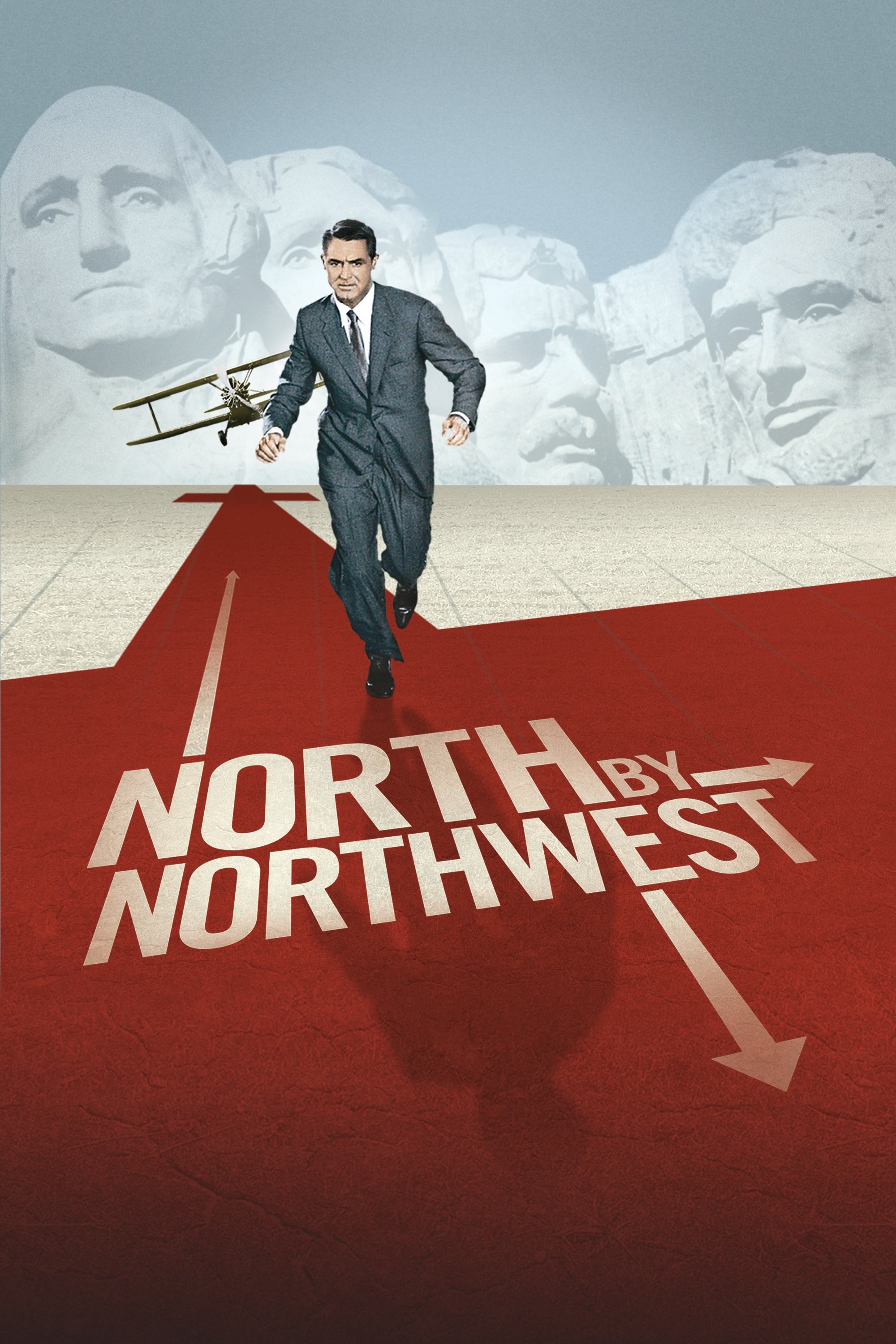
North by Northwest (1959)
North by Northwest
1959 / 136m
Pure cinematic momentum.
I returned to this film many years after seeing Emir Kusturica’s Arizona Dream, where Vincent Gallo hilariously reenacts the famous crop-duster scene during an audition.
Watching it again, I realized how perfectly constructed it is — starting with one of the greatest opening title sequences ever made.
And once again, Bernard Herrmann’s score carries the film forward like a relentless engine.
Plus: The most entertaining Hitchcock — and a clear blueprint for James Bond.
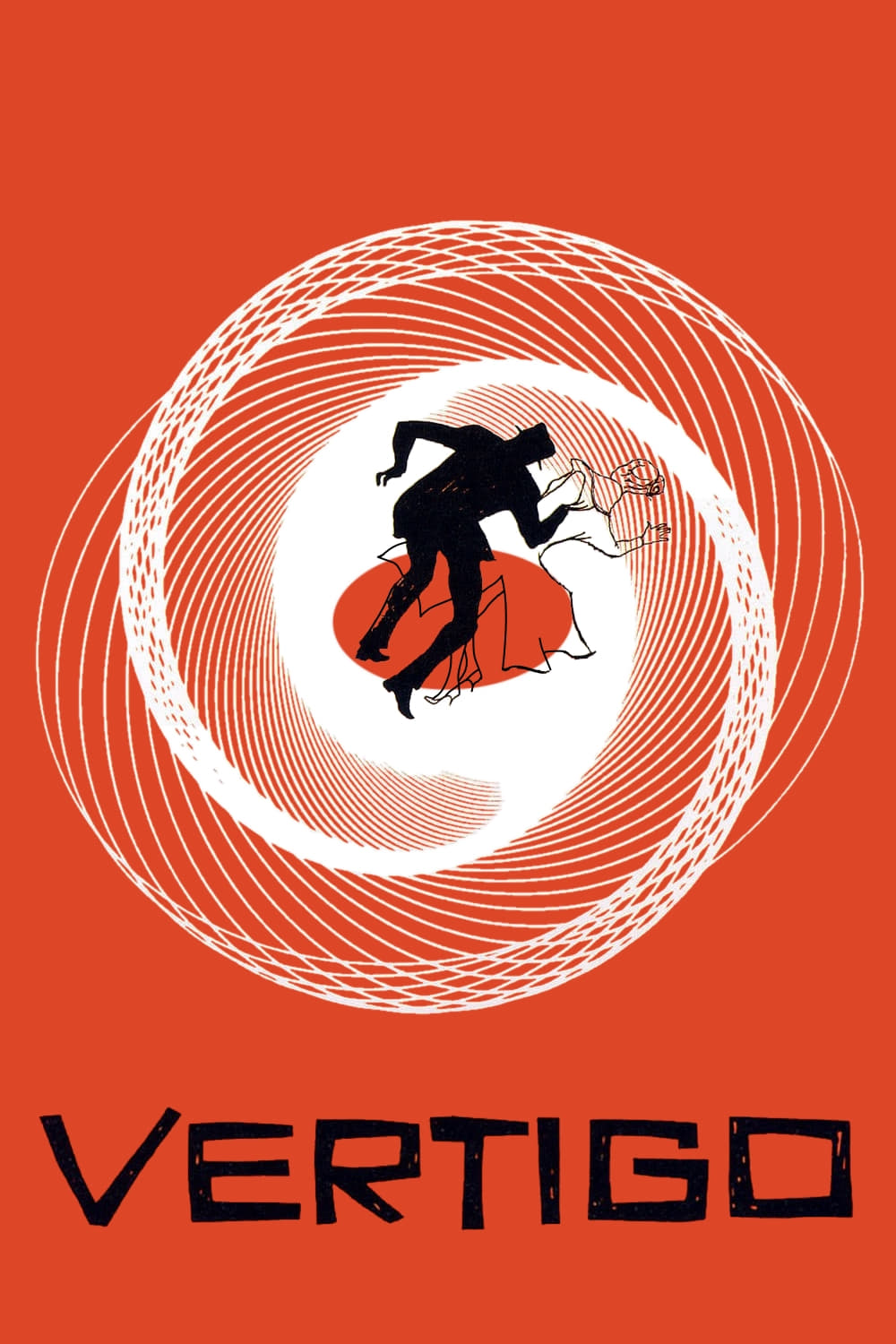
Vertigo (1958)
Vertigo
1958 / 128m
Obsession, illusion, and tragic desire.
A story about the collision between illusion and reality. Hitchcock himself admitted he was fascinated by the story because of its strong sexual analogies.
James Stewart’s desperate attempt to recreate a woman is filmed with the same intensity as an act of desire — except reversed, obsessive, and destructive.
Add Bernard Herrmann’s hypnotic score and the legendary dolly zoom (still often called the Hitchcock effect), and you get pure cinematic obsession.
Plus: Not just a thriller — one of the greatest and most disturbing love stories ever filmed.
One Last Thing…
Of course, if you’ve never watched Hitchcock before and this list inspired you — don’t stop here.
Dive deeper into his filmography. Watch more. Get lost in it.
And while you’re at it, try a little game:
see how many of his films you can spot Hitchcock’s cameo appearances in.
Once you start looking for him, you’ll realize —
he was always watching.