The Art of the Spaghetti Western Gunfight: 5 Unforgettable Showdowns
In the Spaghetti Western, the gunfight was never just about who could draw faster. It was about the silence before the shot. The stare across the street. The hand hovering over the holster. The sound of a watch, a bell, or a piece of music building unbearable tension. From Sergio Leone's operatic duels to the flamboyant gunplay of Sartana, these are five unforgettable showdowns that helped turn the Spaghetti Western gunfight into an art form.
#1 — The Mercenary (1968)
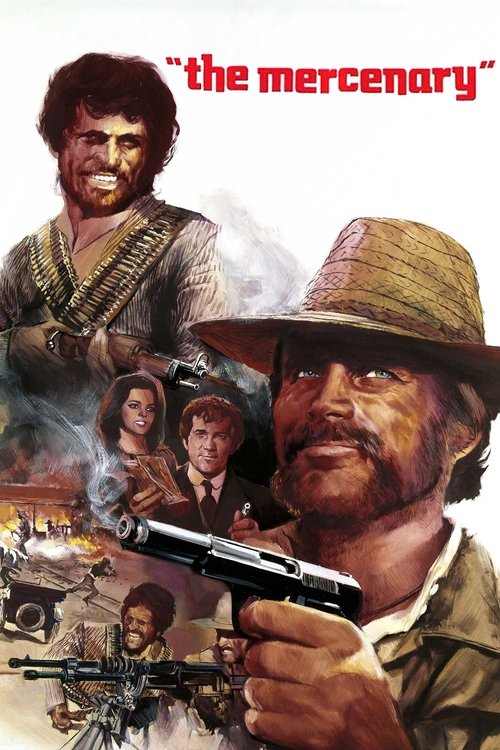
The Mercenary
1968 / 110m
Director:
Sergio Corbucci
Before Django Unchained, before Quentin Tarantino turned Jack Palance's particular brand of menace into cinematic folklore, there was Curly.
Played by Palance in Sergio Corbucci's The Mercenary, Curly is one of the strangest and most unpredictable villains in the Spaghetti Western.
And his gunplay reflects his personality.
It's not simply fast. It's theatrical, calculated and slightly insane.
Corbucci doesn't treat the gunfight as a straightforward contest between two men. The characters constantly manipulate one another, and Curly seems to enjoy the psychological game almost as much as the violence itself.
There's something almost balletic about the way the characters move, wait and react.
And that's what makes The Mercenary such a perfect opening choice for this list.
The gunfight isn't just action. It's character.
#2 — The Good, the Bad and the Ugly (1966)

The Good, the Bad and the Ugly
1966 / 178m
Three men.
One empty circle.
Three revolvers.
And one of the most famous pieces of music in cinema.
Sergio Leone's final showdown between Blondie, Angel Eyes and Tuco is perhaps the ultimate expression of the Spaghetti Western gunfight.
Almost nothing happens.
And yet you can't look away.
Leone cuts between eyes, hands, holsters and faces while Ennio Morricone's score steadily increases the tension.
The characters aren't just waiting to shoot.
They're measuring each other.
The actual gunfight lasts only seconds. But Leone makes us wait long enough that those seconds feel inevitable.
This is the Spaghetti Western gunfight transformed into opera.
#3 — Once Upon a Time in the West (1968)
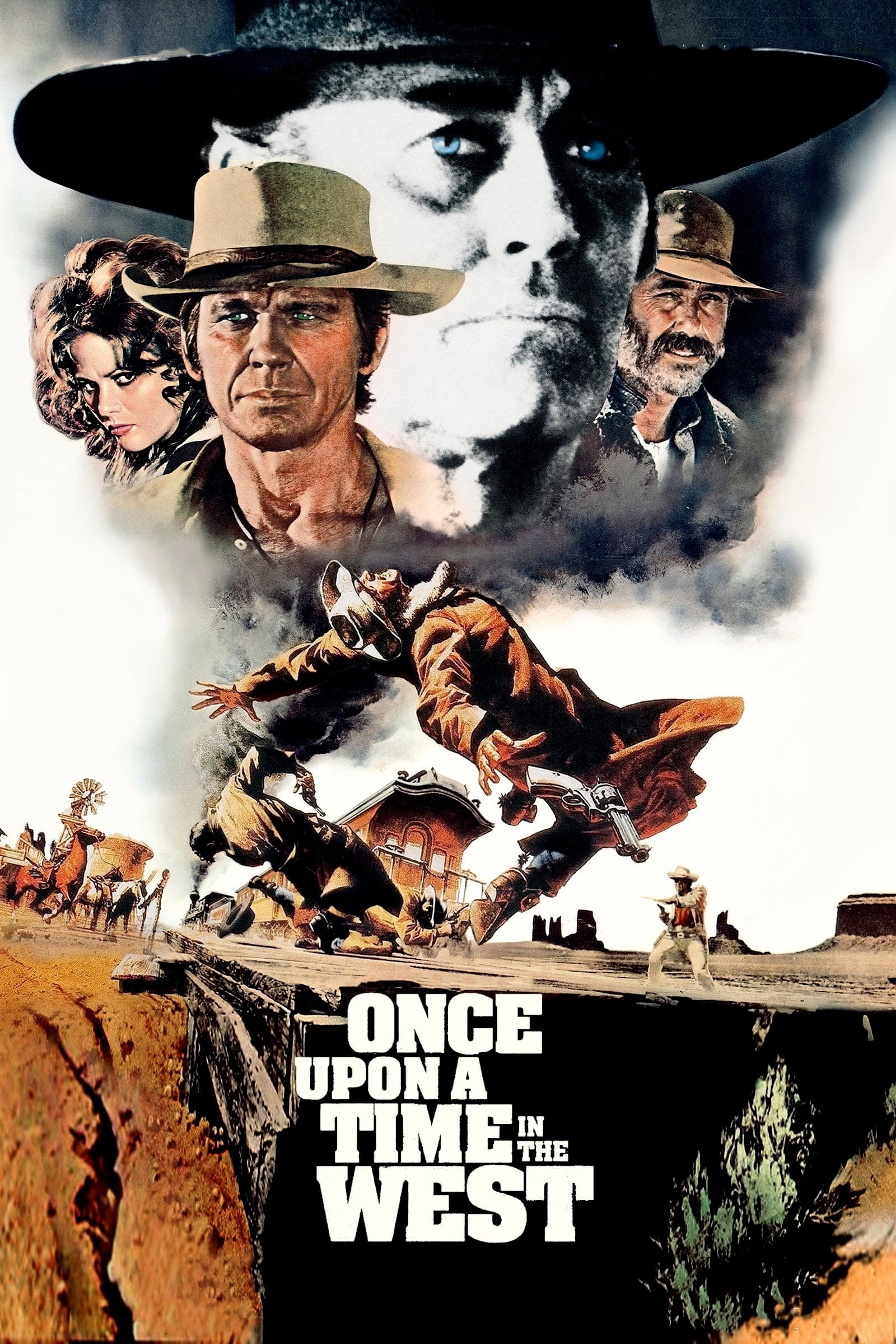
Once Upon a Time in the West
1968 / 166m
Few Western duels carry as much emotional weight as Harmonica vs. Frank.
The scene works because Leone has spent almost the entire film making us wait for it.
Henry Fonda's Frank is one of the great villains of the genre. Charles Bronson's Harmonica, meanwhile, has barely explained himself.
But we know there's a reason he's there.
And eventually, we discover what it is.
This isn't simply a duel between two gunslingers.
It's revenge.
Leone stretches the confrontation almost unbearably, while Morricone's music gives the scene an almost mythological quality.
When the guns finally come out, the shooting itself is almost secondary.
The real gunfight happened in the characters' eyes long before either man reached for his weapon.
#4 — A Fistful of Dollars (1964)
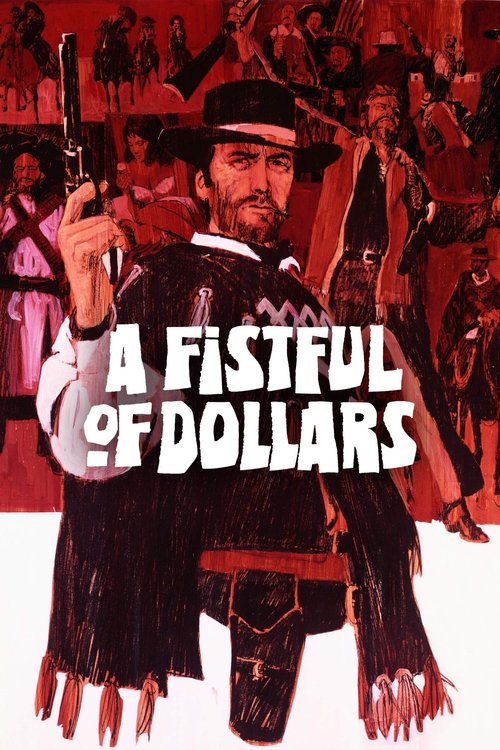
A Fistful of Dollars
1964 / 99m
Director:
Sergio Leone
This is where the modern Spaghetti Western gunslinger really begins.
Clint Eastwood's Man with No Name walks into San Miguel and deliberately plays two rival factions against each other.
By the time he faces Ramón Rojo, the confrontation feels inevitable.
Ramón believes his rifle gives him the advantage.
Eastwood knows better.
The brilliance of the scene lies in the confidence of the character. He doesn't need to boast. He doesn't need to move much.
He simply knows.
And that cool, almost expressionless performance became one of the defining characteristics of the Spaghetti Western hero.
The final exchange is short, brutal and immensely satisfying.
#5 — If You Meet Sartana, Pray for Death (1968)
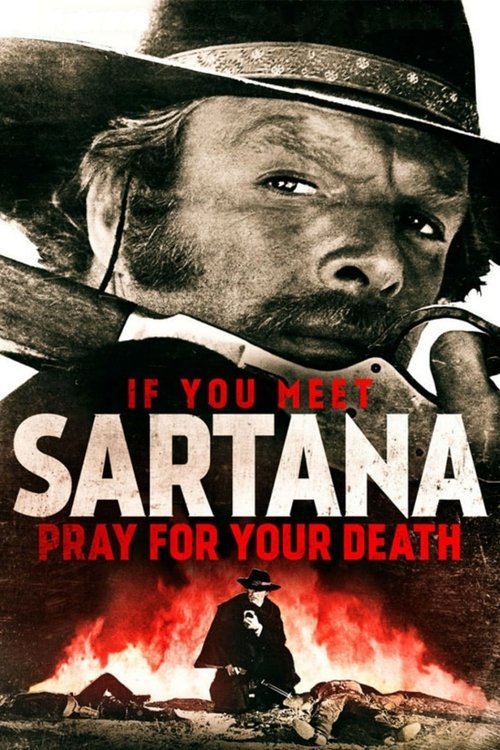
If You Meet Sartana, Pray for Death
1968 / 95m
Director:
Gianfranco Parolini
By 1968, the Spaghetti Western gunslinger was evolving.
Enter Sartana.
Played by Gianni Garko, Sartana isn't quite the mysterious, laconic stranger of Leone's films. He's more flamboyant, more playful and almost impossibly confident.
His gunfights often involve tricks, deception and an almost supernatural ability to anticipate his opponents.
That's what makes Sartana such an interesting addition to this list.
He represents another side of the genre's evolution:
the gunfighter as myth.
The rules of realism become less important. What matters is style.
Sartana doesn't just survive the showdown.
He seems to have already won it before the other guy realizes the game has started.
What makes a Spaghetti Western gunfight different?
The great Spaghetti Western showdown isn't necessarily the one with the most bullets.
It's the one where the tension means something.
In The Mercenary, violence becomes part of Curly's personality.
In The Good, the Bad and the Ugly, the showdown becomes a perfectly choreographed game of deception.
In Once Upon a Time in the West, it becomes revenge.
In A Fistful of Dollars, it establishes a new kind of Western hero.
And with Sartana, the gunslinger becomes almost a comic-book legend.
That's why these scenes remain so powerful.
The guns are only the punctuation. The real story is in the faces, the silence and the anticipation.
Honorable mentions
There are plenty of other contenders that could have made the list of Movies You Must See (MYMSee): For a Few Dollars More, The Big Gundown, Death Rides a Horse, Day of Anger, and Keoma.
But perhaps that's the beauty of the Spaghetti Western.
There are always more guns to draw.