Are Movie Awards Political? Why the Oscars Miss Great Films
The Oscars reward visibility, not resonance. Why the Academy keeps overlooking cinema’s most meaningful films — and why taste matters more than trophies.
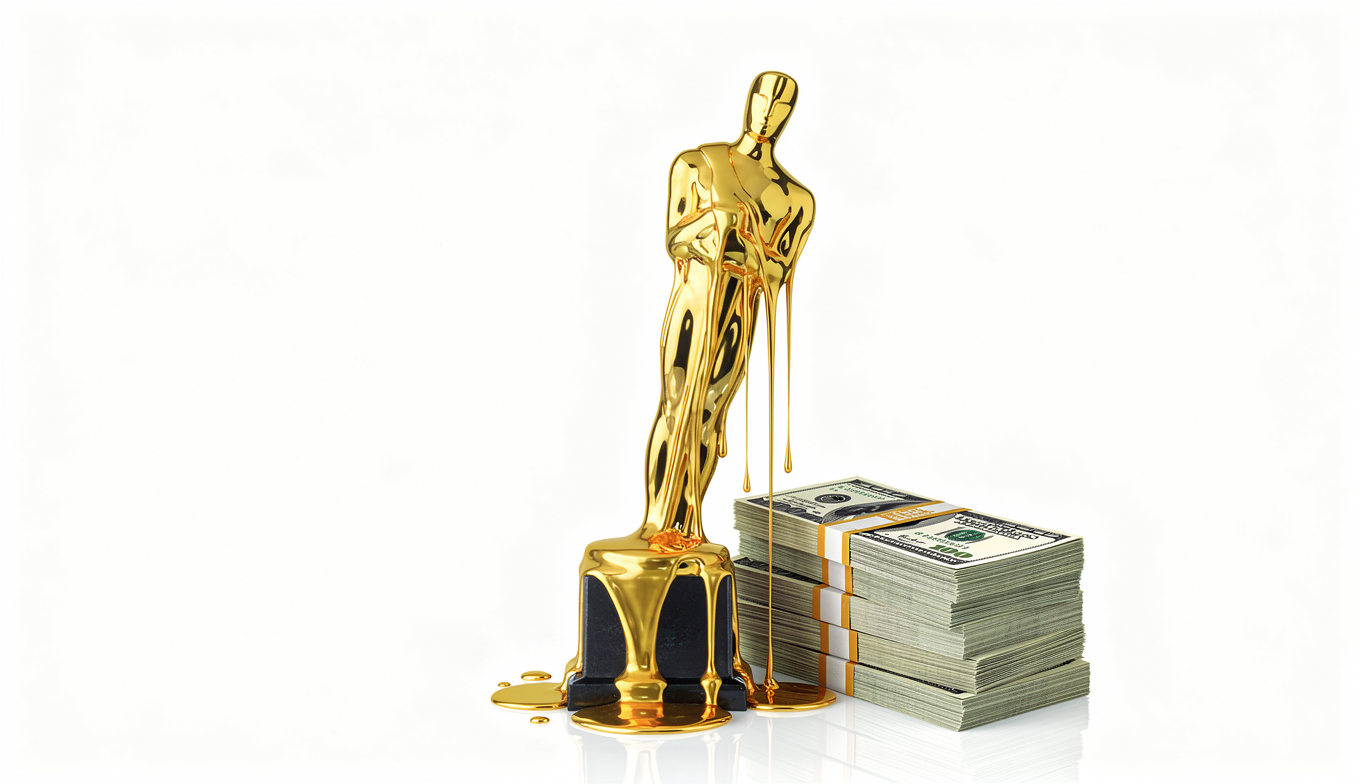
Every year, we gather around the same spectacle.
Gold statues. Emotional speeches. Carefully rehearsed humility.
And every year, the same quiet question lingers beneath the applause: are movie awards actually about art — or about politics, visibility, and power?
Because if awards truly reflected cinematic greatness, history would look very different. We wouldn’t still be arguing about Do the Right Thing. Eternal Sunshine of the Spotless Mind wouldn’t be treated like a side note. The Thin Red Line wouldn’t be remembered as “that movie that lost.”
And yet here we are again, watching awards season crown films that feel polished, respectable, and safe, while the ones that actually change people remain on the margins. The 2026 Oscar nominations only reinforce what many cinephiles already know: the Academy doesn’t just reward films. It rewards the machine behind them.
The Oscars aren’t simply a celebration of cinema. They’re the final stage of a months-long marketing campaign, one that begins long before ballots are cast. By the time nominations roll around, the conversation has already been shaped — by studio money, by publicists, by carefully curated screenings and narratives about why a particular film deserves to win.
This isn’t conspiracy. It’s infrastructure.
Films don’t enter the Oscar conversation by being quietly brilliant. They enter by being seen, circulated, and talked about relentlessly. That’s why in 2026, films like Sinners and One Battle After Another dominated the awards discourse. These weren’t just movies; they were events, buoyed by high-profile casts, massive visibility, and campaigns that made them impossible for voters to ignore.
That doesn’t make them bad films. But it does reveal an uncomfortable truth: awards season often measures momentum better than meaning. Visibility wins. Marketing wins. Art sometimes gets lucky.
If this feels familiar, it’s because it’s been happening for decades. The Oscars have always leaned toward films that feel safe enough to agree on. Looking back, the pattern is hard to ignore. Shakespeare in Love beating Saving Private Ryan. Ordinary People defeating Raging Bull. Green Book winning Best Picture while Roma, The Favourite, and If Beale Street Could Talk quietly reshaped modern film language without the trophy.
These weren’t flukes. They were signals.
The Academy tends to favor films that explain themselves clearly, resolve neatly, and signal seriousness without discomfort. But cinema doesn’t always work that way. The most enduring films often unsettle rather than reassure, and that very quality makes them harder to reward.
This is especially true for quiet, personal films — the kind that don’t announce their importance. Deeply internal works built on silence, ambiguity, or memory rarely thrive in awards culture. Films like First Reformed, Petite Maman, The Souvenir, or Memoria don’t hand you a takeaway. They ask you to sit with something unresolved.
They don’t campaign well because they don’t shout.
And when these films do appear in the awards conversation, they’re often placed in side categories — “International Feature,” “Documentary” — subtle reminders that they exist outside the main event. Even in 2026, international and arthouse films may receive nominations, but rarely with the same cultural weight or perceived legitimacy as English-language prestige dramas backed by major studios.
It isn’t a lack of quality. It’s a lack of compatibility with the awards ecosystem.
Every so often, the system cracks. Parasite winning Best Picture felt seismic, not just because it was a non-English-language film, but because it refused to dilute itself to fit expectations. It was sharp, funny, political, and structurally daring.
But here’s the uncomfortable truth: for every Parasite, there are dozens of films that never get the chance. We treat these moments as proof the system works, when they’re really evidence of how rarely it bends. The exception becomes the headline, while the rule continues quietly underneath.
Awards politics aren’t just about genre or tone. They’re also about access. The 2026 nominations reignited familiar conversations about representation, particularly around female directors and whose work is deemed “prestige.” While progress has been made over the years, the imbalance remains visible.
This isn’t only a question of fairness. It’s about who gets to define cinematic value. Films made outside dominant power structures often lack the marketing budgets and industry connections needed to compete in awards season, regardless of their artistic impact. When recognition is tied to visibility rather than vision, the resulting canon feels incomplete.
Here’s the part awards culture doesn’t like to admit: many of the greatest films never needed permission.
Boogie Nights didn’t win Best Picture, yet it shaped a generation of filmmakers. Inside Llewyn Davis left the Oscars empty-handed, yet it continues to find audiences who feel deeply understood by it. Do the Right Thing lost, but it remains urgently alive in ways many winners are not.
Awards freeze a moment. Cinema lives beyond it.
Your relationship with a film — the way it creeps back into your thoughts, the way it quietly rewires how you see the world — is not something a voting body can validate. And it doesn’t need to be.
We keep waiting for awards to tell us what matters. But taste isn’t democratic. It’s personal. The films that stay with us are often the ones that meet us at the right moment, ask the right question, or articulate something we didn’t yet know how to say.
That’s why so many cinephiles eventually drift away from awards obsession. Not out of bitterness, but out of clarity. Once you’ve been deeply moved by a film the Oscars ignored, the illusion breaks. You realize a gold statue doesn’t make a movie meaningful. Meaning is what makes a movie endure.
This isn’t an argument for ignoring the Oscars entirely. Awards can still introduce audiences to films they might have missed, create space for conversations about cinema, and shine a spotlight on craft. But they work best as a starting point, not a verdict.
Watch the nominees, then look beyond them. Follow critics you trust, but listen to your own response. Celebrate recognition without confusing it for truth.
When awards season rolls around — whether it’s 2026 or ten years from now — ask yourself a different question. Not “What won?” but “What lingered?”
What film stayed with you days later? Which one quietly reshaped how you think or feel? Which story felt too specific to be designed by committee?
That film — the one that lived in you without permission — is your real Best Picture.
And no statue can take that away. They are The Movies You Must See.