10 Legendary Film Composers and 100 Movies You Must See for Their Music: Part 1—The Foundations
From Psycho to The Godfather, explore 100 essential films scored by 10 legendary composers who shaped the sound of cinema.
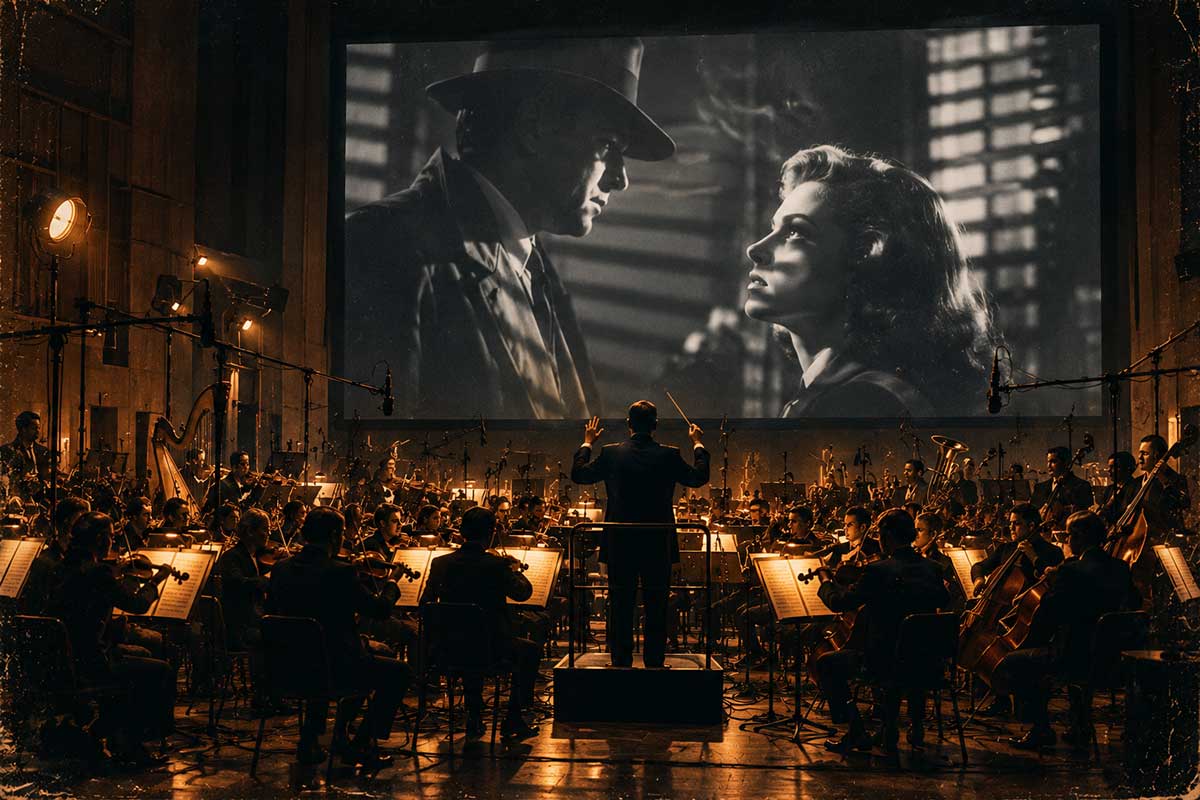
From the haunting strings of Psycho to the unforgettable melodies of The Godfather, discover 100 essential films scored by 10 legendary composers who shaped the sound of cinema.
A great film score can make a scene unforgettable. A few notes can create suspense before anything happens on screen, turn a landscape into a world of its own, or bring back the emotion of an entire film years after watching it.
Think of the two-note motif in Jaws, the soaring main theme of Star Wars, the haunting music of Vertigo or the unmistakable sound of Ennio Morricone's Westerns. These compositions are more than background music. They are part of cinema's identity.
Film music didn't evolve in a straight line. The orchestral tradition of classic Hollywood developed alongside European musical influences, jazz, experimental sounds and composers who challenged the conventions of the time. Later, these foundations helped shape everything from modern blockbusters to intimate psychological dramas.
In this first part of our two-part series, we celebrate 10 composers whose work helped define the language of film music. Each has a distinctive voice, and each has contributed scores that deserve to be heard as carefully as the films themselves.
Here are 100 movies you must see for their music.
1. Max Steiner: The Architect of the Hollywood Film Score
Max Steiner was one of the central figures in establishing the classical Hollywood scoring tradition. His music used recurring themes, dramatic orchestration and melodies closely connected to the characters and events on screen. His work on King Kong and Gone with the Wind demonstrated how a score could become an essential part of a film's storytelling.
1. King Kong (1933) — One of the landmark early orchestral film scores, using music to give the giant ape emotional depth and make the adventure feel monumental.

King Kong
1933 / 100m
2. Little Women (1933) — A warm, melodic score that supports the emotional world of the March sisters.
3. The Informer (1935) — Steiner's Oscar-winning score demonstrates how music can intensify guilt, paranoia and tragedy.
4. The Charge of the Light Brigade (1936) — Sweeping orchestral writing accompanies a historical adventure full of military spectacle.
5. Jezebel (1938) — Richly dramatic music complements the film's romantic conflict and Southern Gothic atmosphere.

Jezebel
1938 / 104m
6. Gone with the Wind (1939) — A landmark score whose recurring themes help give the epic its emotional and musical identity.

Gone with the Wind
1939 / 238m
7. Casablanca (1942) — A classic Hollywood score combining dramatic orchestration with unforgettable musical material, including its use of “La Marseillaise.”

Casablanca
1942 / 102m
8. Now, Voyager (1942) — An emotionally expressive score that deepens the transformation of its central character.
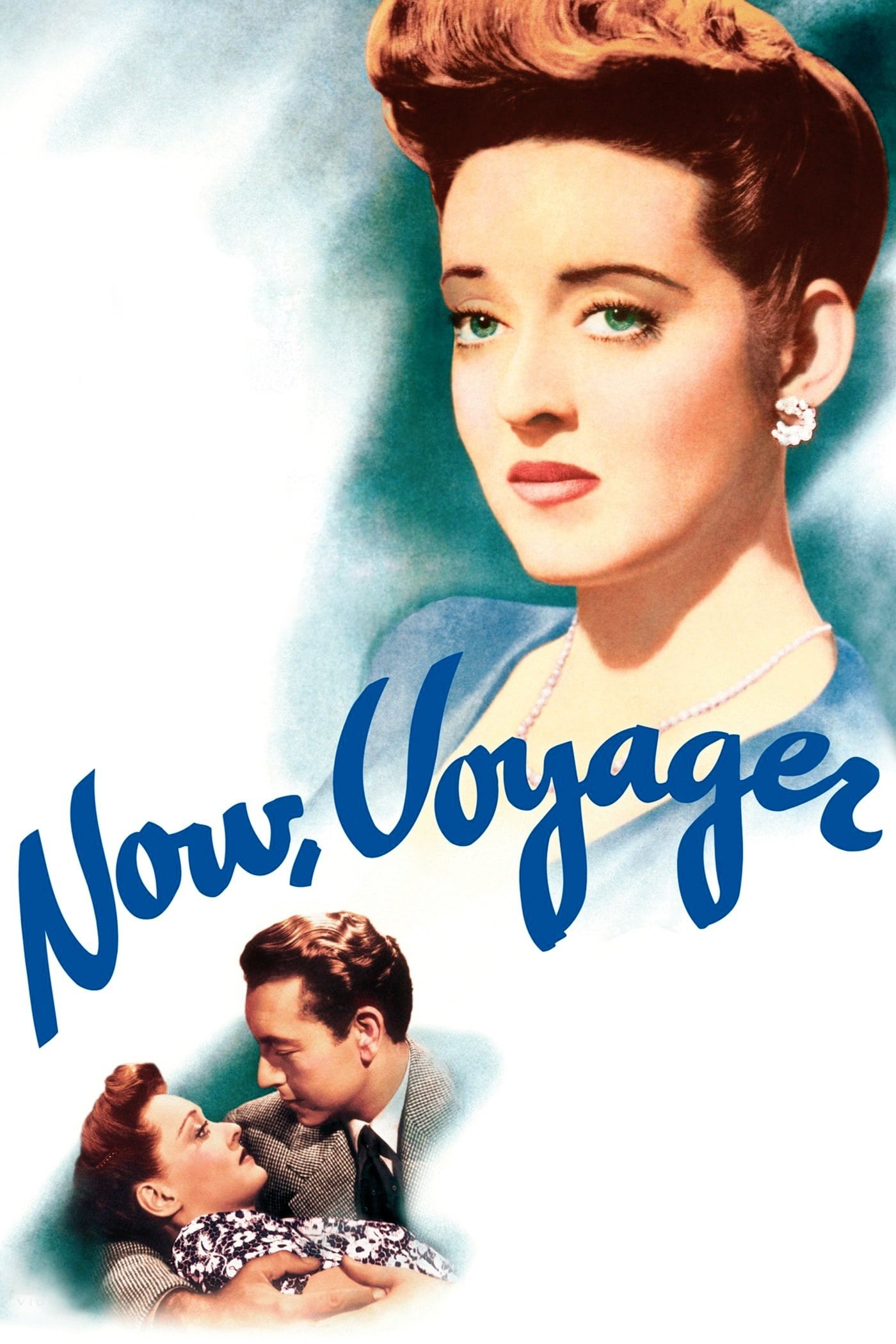
Now, Voyager
1942 / 117m
9. The Big Sleep (1946) — Steiner brings atmosphere and tension to the shadowy world of film noir.

The Big Sleep
1946 / 114m
10. The Searchers (1956) — A powerful Western score that supports John Ford's vast landscapes and complex characters.

The Searchers
1956 / 119m
2. Bernard Herrmann: The Sound of Suspense
Few composers understood the psychological power of music as well as Bernard Herrmann. His collaborations with Alfred Hitchcock produced some of cinema's most memorable scores, but his work extended far beyond suspense thrillers. He used unusual instrumental combinations, bold musical ideas and carefully controlled tension to make music an active part of the drama.
1. Citizen Kane (1941) — A complex score that establishes the film's atmosphere of mystery, ambition and loss.

Citizen Kane
1941 / 119m
2. On Dangerous Ground (1951) — A dark, expressive score that moves between the harshness of urban crime and the emotional stillness of the countryside.
3. The Man Who Knew Too Much (1956) — Herrmann's dramatic orchestration heightens the suspense, especially during the climactic concert sequence.

The Man Who Knew Too Much
1956 / 120m
4. Vertigo (1958) — Hypnotic, romantic and unsettling music mirrors the protagonist's growing obsession.
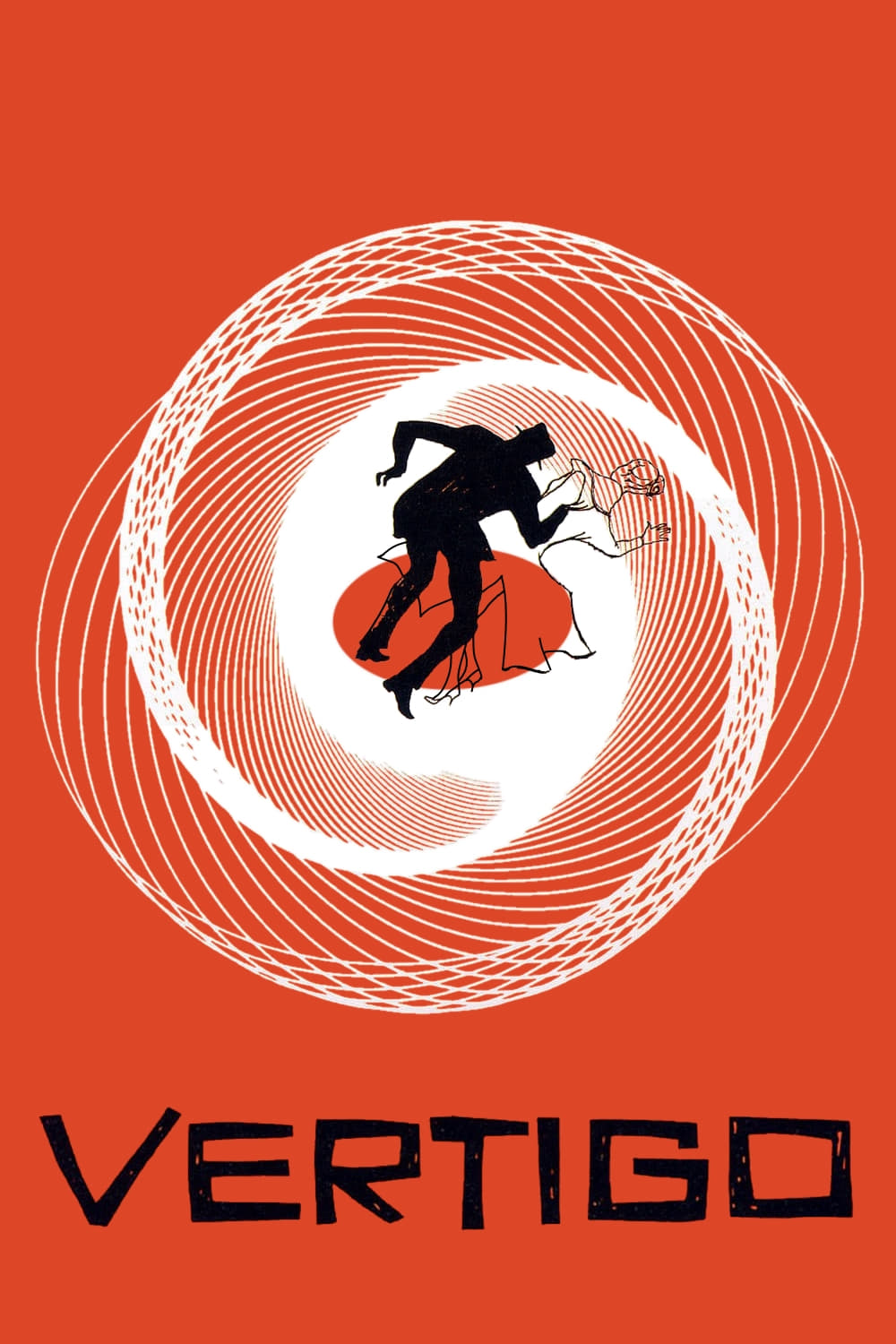
Vertigo
1958 / 128m
5. North by Northwest (1959) — Restless rhythms and energetic orchestration drive Hitchcock's international chase thriller.
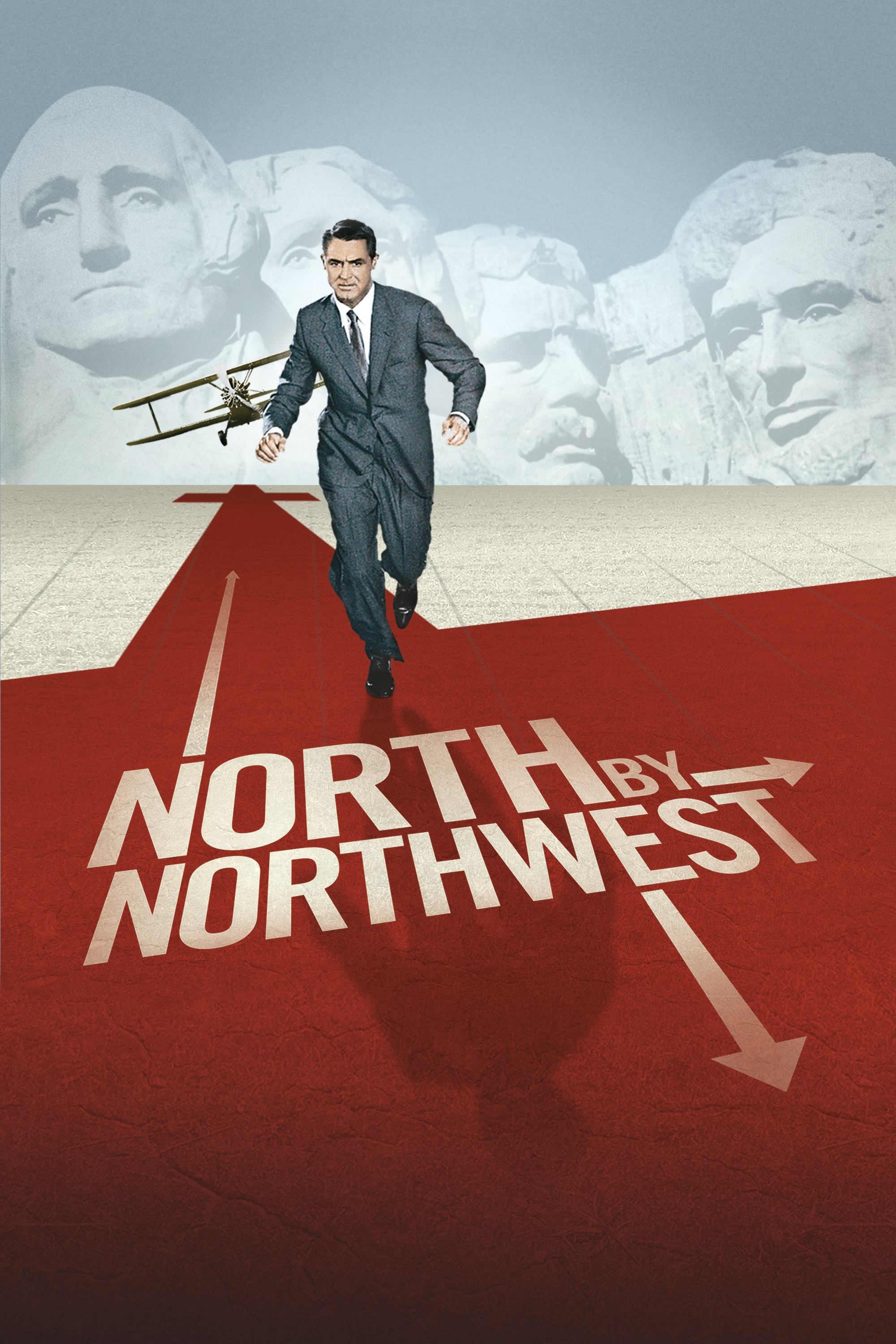
North by Northwest
1959 / 136m
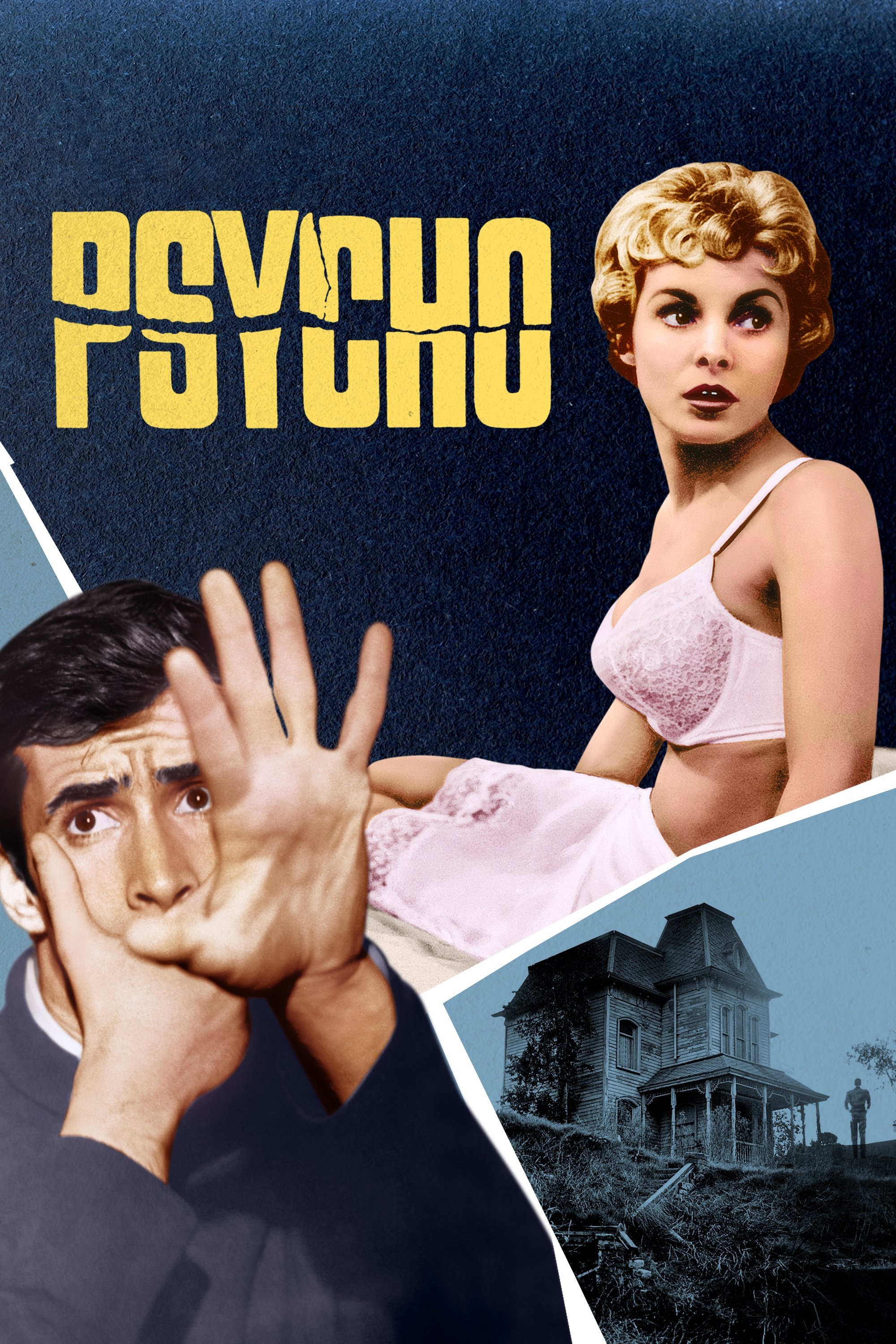
6. Psycho (1960) — The all-string score, especially the shower sequence, remains one of the most recognizable achievements in horror music.
Psycho
1960 / 109m
7. Cape Fear (1962) — A menacing, tension-filled score that turns the pursuit of a dangerous criminal into an increasingly disturbing musical experience.
8. Marnie (1964) — An expressive score that explores repression, fear and psychological conflict.

Marnie
1964 / 130m
9. Sisters (1972) — Herrmann brings his trademark Hitchcock-style suspense to Brian De Palma's disturbing psychological thriller.

Sisters
1972 / 92m
10. Taxi Driver (1976) — His final film score combines seductive jazz with an increasingly disturbing emotional undercurrent.

Taxi Driver
1976 / 114m
3. Miklós Rózsa: Noir, Mystery and Epic Grandeur
Miklós Rózsa brought a strong European classical sensibility to Hollywood, moving effortlessly between crime dramas, psychological thrillers and historical epics. His music could be dark and unsettling or grand and heroic, making him one of the most versatile composers of the studio era.
1. Five Graves to Cairo (1943) — Tense, atmospheric music for a wartime espionage thriller.
2. Double Indemnity (1944) — A brooding score that complements the moral darkness of film noir.

Double Indemnity
1944 / 107m
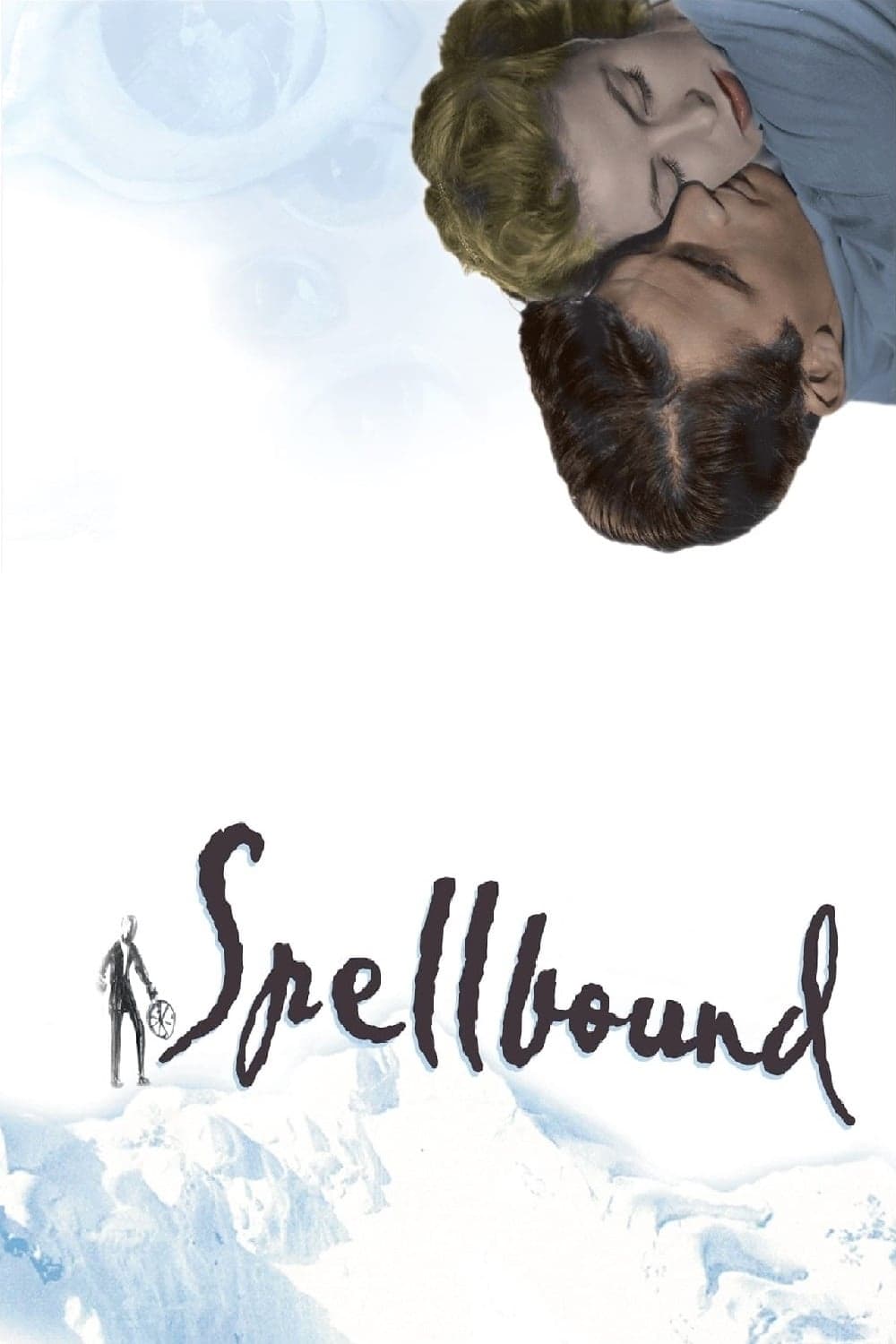
3. Spellbound (1945) — Its famous theremin passages give the psychological mystery an unsettling sound.
Spellbound
1945 / 111m
4. The Lost Weekend (1945) — Music reinforces the disturbing psychological reality of addiction.

The Lost Weekend
1945 / 101m
5. The Killers (1946) — A hard-edged crime score that matches the fatalism of film noir.

The Killers
1946 / 103m
6. The Red House (1947) — Dark orchestral writing creates a sense of mystery and dread.
7. Quo Vadis (1951) — Monumental music helps establish the scale of this Roman epic.
8. Ivanhoe (1952) — Heroic orchestral themes accompany medieval adventure.
9. Julius Caesar (1953) — A dramatic score for Shakespeare's political tragedy.
10. Ben-Hur (1959) — A towering orchestral achievement that helped define the sound of Hollywood historical epics.

Ben-Hur
1959 / 212m
4. Elmer Bernstein: Themes That Stay With You
Elmer Bernstein could write a theme that stayed in your head for decades, but his range extended well beyond memorable melodies. His work includes psychological dramas, Westerns, war films, comedies and intimate character studies. He combined orchestral power with a remarkable ability to capture the personality of a film.
1. The Ten Commandments (1956) — Monumental orchestration for one of Hollywood's great biblical spectacles.

The Ten Commandments
1956 / 220m
2. The Magnificent Seven (1960) — An instantly recognizable Western theme full of energy, courage and adventure.
3. To Kill a Mockingbird (1962) — A delicate, intimate score that captures childhood, innocence and memory.

To Kill a Mockingbird
1962 / 129m
4. The Great Escape (1963) — Its lively main theme gives a wartime escape story an adventurous spirit.

The Great Escape
1963 / 172m
5. The Sons of Katie Elder (1965) — A stirring Western score built around family loyalty and frontier drama.
6. Hawaii (1966) — Expansive orchestral writing accompanies the film's epic historical setting.
7. True Grit (1969) — A memorable Western score that balances ruggedness with emotional warmth.
8. Animal House (1978) — Bernstein's comic scoring shows his ability to adapt to irreverent comedy.
9. Ghostbusters (1984) — A playful, atmospheric score that helps establish the film's supernatural comedy.

Ghostbusters
1984 / 105m
10. The Age of Innocence (1993) — Elegant period music that reinforces the restraint, longing and social pressures of the story.

The Age of Innocence
1993 / 139m
5. Nino Rota: The Poetry of Italian Cinema
Nino Rota possessed a gift for melodies that could sound nostalgic, romantic, playful and tragic all at once. His long collaboration with Federico Fellini helped create some of the most distinctive musical worlds in European cinema. His scores for Francis Ford Coppola's Godfather films introduced his music to an even wider audience.
1. Nights of Cabiria (1957) — A tender, bittersweet score that reflects the resilience of its central character.

Nights of Cabiria
1957 / 110m
2. La Dolce Vita (1960) — Music that captures the glamour, melancholy and restlessness of modern Rome.
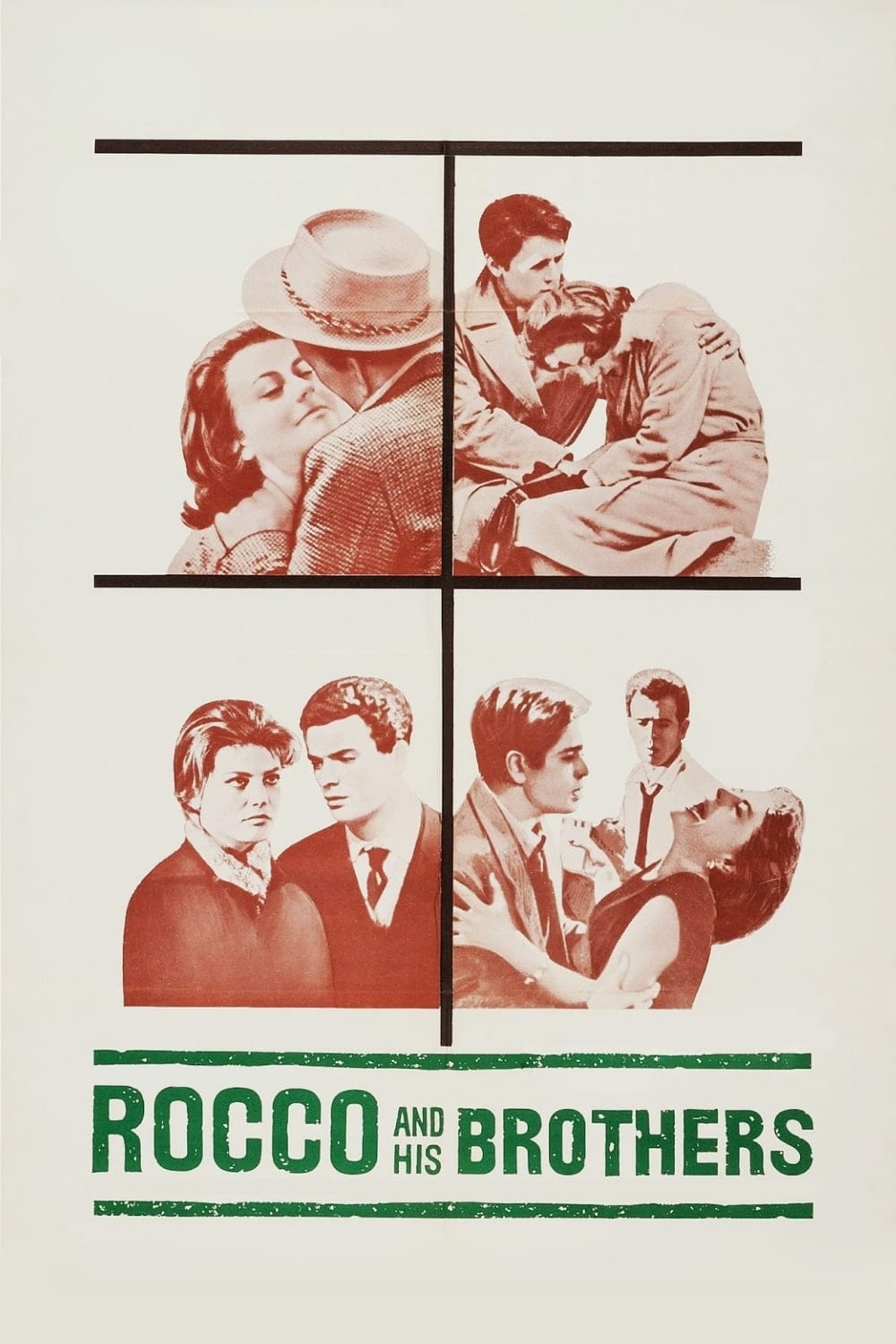
3. Rocco and His Brothers (1960) — Emotional orchestration accompanies a family drama of loyalty, sacrifice and violence.
Rocco and His Brothers
1960 / 179m
4. The Leopard (1963) — Elegant period music complements the decline of the Sicilian aristocracy.

The Leopard
1963 / 186m
5. 8½ (1963) — Playful, dreamlike musical ideas reflect Fellini's mixture of memory, fantasy and creative anxiety.

8½
1963 / 138m
6. Romeo and Juliet (1968) — Romantic themes give Shakespeare's tragedy a distinctive emotional warmth.
7. The Godfather (1972) — The haunting main theme captures the mixture of family, power and melancholy at the heart of the story.

The Godfather
1972 / 175m
8. Amarcord (1973) — Nostalgic, whimsical music evokes childhood memories and provincial Italian life.

Amarcord
1973 / 123m
9. The Godfather Part II (1974) — Rota's musical world returns, deepening the saga's themes of family and moral decline.

The Godfather Part II
1974 / 202m
10. Death on the Nile (1978) — A refined mystery score that supports the film's elegant atmosphere and shifting suspicions.
6. Ennio Morricone: Beyond the Sound of the Western
Ennio Morricone changed the sound of the Western by combining traditional orchestration with whistles, electric guitars, bells, human voices and unexpected sound effects. His collaborations with Sergio Leone became legendary, but his extraordinary career extended far beyond Westerns, encompassing crime films, political dramas, horror and emotionally rich historical stories.
Morricone understood that music could become part of a film's identity. His themes could introduce a character, create tension without dialogue or transform a landscape into something unforgettable. From the haunting melodies of Once Upon a Time in the West to the emotional beauty of The Mission, his work demonstrated the extraordinary expressive power of film music.
Here are 10 essential films that showcase the range and genius of Ennio Morricone.
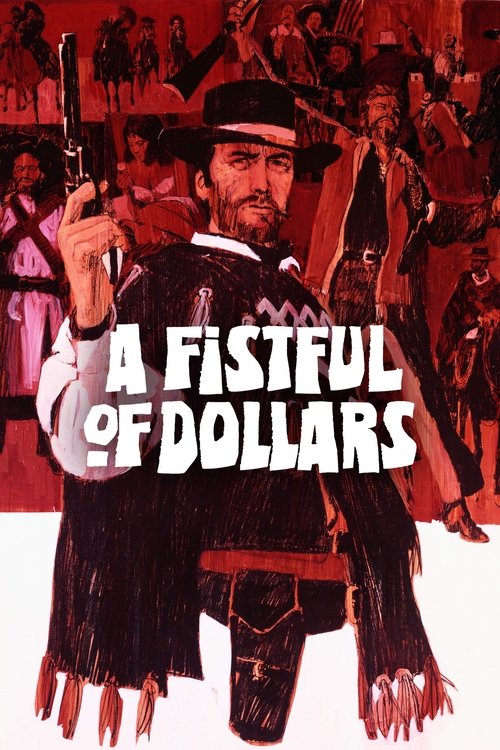
1. A Fistful of Dollars (1964) — A revolutionary Western score that replaces conventional orchestral heroism with a distinctive musical vocabulary of whistles, guitars and percussion.
A Fistful of Dollars
1964 / 99m
Director:
Sergio Leone
2. For a Few Dollars More (1965) — Whistles, bells and recurring musical motifs build tension and give the film's characters distinctive musical identities.
3. The Good, the Bad and the Ugly (1966) — One of cinema's most iconic scores, featuring the unforgettable main theme and the powerful crescendo of “The Ecstasy of Gold.”

The Good, the Bad and the Ugly
1966 / 178m
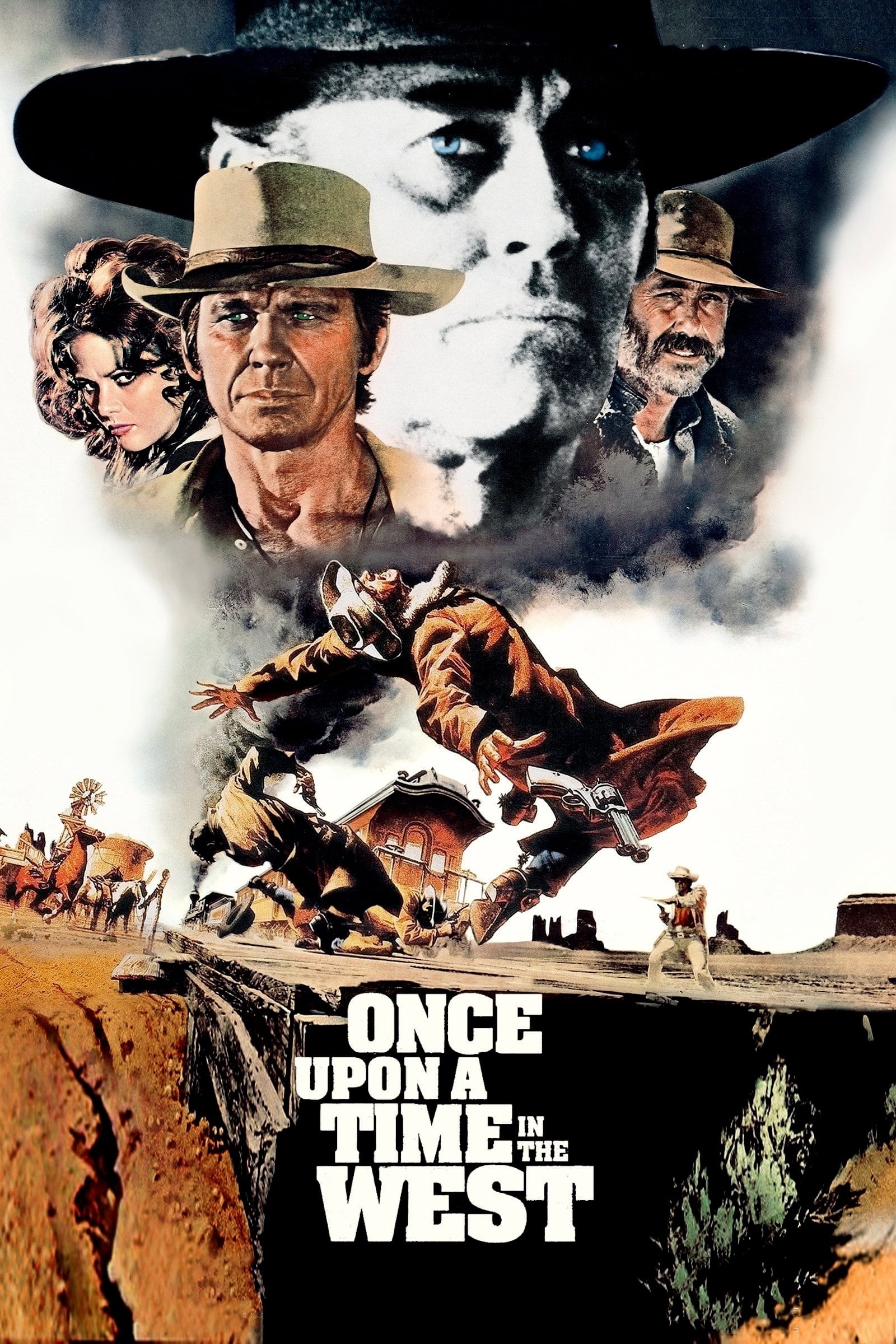
4. Once Upon a Time in the West (1968) — Individual musical themes give the characters distinct identities, turning the Western landscape into an emotional world of its own.
Once Upon a Time in the West
1968 / 166m
5. The Sicilian Clan (1969) — Stylish, sophisticated crime music that blends orchestral elegance with suspense and a memorable main theme.
6. Investigation of a Citizen Above Suspicion (1970) — Unconventional musical ideas reinforce this unsettling political satire, demonstrating Morricone's experimental side.
7. Days of Heaven (1978) — Lyrical, atmospheric music accompanies Terrence Malick's extraordinary images of the American landscape.

Days of Heaven
1978 / 94m
8. The Thing (1982) — Sparse, ominous music contributes to the film's feeling of isolation, paranoia and unseen danger. Morricone's restrained approach makes the score especially effective.

The Thing
1982 / 109m
9. The Mission (1986) — A remarkable score combining orchestral writing, choral elements and the unforgettable “Gabriel's Oboe,” creating one of Morricone's most moving musical works.
10. Cinema Paradiso (1988) — A deeply nostalgic score celebrating cinema, memory and the emotional power of movies, with music composed by Morricone and contributions from his son Andrea Morricone.

Cinema Paradiso
1988 / 174m
7. John Williams: The Power of the Symphonic Theme
John Williams helped bring symphonic film scoring back to the centre of Hollywood filmmaking. His themes are immediately recognizable, yet their real strength lies in how they support character, suspense, wonder and emotion. His long collaboration with Steven Spielberg and his music for Star Wars helped define the sound of modern popular cinema.
1. Jaws (1975) — Two alternating notes become a masterclass in musical suspense.

Jaws
1975 / 124m
2. Close Encounters of the Third Kind (1977) — A five-note musical phrase becomes a universal language between humans and aliens.

Close Encounters of the Third Kind
1977 / 138m
3. Star Wars (1977) — A grand orchestral score that helped establish the musical identity of an entire cinematic universe.
4. Superman (1978) — A soaring heroic theme that captures the idealism of the superhero.
5. Raiders of the Lost Ark (1981) — Adventurous orchestration that gives Indiana Jones one of cinema's great musical signatures.

Raiders of the Lost Ark
1981 / 115m
6. E.T. the Extra-Terrestrial (1982) — Lyrical, emotionally expressive music that turns a science-fiction story into a moving tale of friendship.

E.T. the Extra-Terrestrial
1982 / 115m
7. Jurassic Park (1993) — Wonder and grandeur combine in a score that captures the awe of encountering living dinosaurs.

Jurassic Park
1993 / 127m
8. Schindler's List (1993) — Restrained, deeply moving music, with a haunting violin theme at its centre.

Schindler's List
1993 / 195m
9. Saving Private Ryan (1998) — A dignified, emotionally powerful score that reflects the cost of war and the sacrifices of soldiers.

Saving Private Ryan
1998 / 169m
10. Harry Potter and the Philosopher's Stone (2001) — The magical “Hedwig's Theme” introduces a musical world filled with wonder, mystery and enchantment.
8. Jerry Goldsmith: Experimentation and Atmosphere
Jerry Goldsmith was a musical innovator who never confined himself to a single genre. He experimented with unusual instruments, electronic textures, rhythmic complexity and unconventional orchestration. His work helped give science fiction, horror and action films some of their most distinctive musical identities.
1. Planet of the Apes (1968) — Experimental orchestration and unconventional sounds create an alien world.

Planet of the Apes
1968 / 112m
2. Patton (1970) — A memorable combination of military brass and spiritual-sounding music reflects the complexity of its central figure.

Patton
1970 / 172m
3. Chinatown (1974) — A haunting trumpet theme captures the seductive, mysterious atmosphere of film noir.

Chinatown
1974 / 130m
4. The Omen (1976) — Choral writing and the terrifying “Ave Satani” give the horror classic an unmistakable sound.
5. Alien (1979) — Sparse, atmospheric music contributes to the film's feeling of isolation and cosmic dread.

Alien
1979 / 117m
6. Star Trek: The Motion Picture (1979) — Expansive orchestral themes give the science-fiction adventure a majestic scale.
7. Poltergeist (1982) — Goldsmith balances supernatural terror with a gentle, memorable family theme.

Poltergeist
1982 / 114m
8. First Blood (1982) — A brooding, emotional score explores the trauma and isolation of a former soldier.
9. Total Recall (1990) — Powerful rhythmic orchestration drives the film's futuristic action and shifting reality.

Total Recall
1990 / 113m
10. L.A. Confidential (1997) — Rich period-inspired music helps evoke the glamour and corruption of 1950s Los Angeles.

L.A. Confidential
1997 / 138m
9. Lalo Schifrin: Jazz, Crime and Cinematic Rhythm
Lalo Schifrin brought jazz, Latin rhythms and modern musical experimentation into film and television scoring. His music helped establish a distinctive sound for police thrillers and crime dramas, combining sophisticated harmony with an unmistakable sense of rhythm. His themes are as much about attitude and atmosphere as they are about melody.
1. The Cincinnati Kid (1965) — A cool, jazz-inflected score for a drama built around risk and competition.
2. Cool Hand Luke (1967) — Schifrin's music adds a distinctive rhythmic character to this story of rebellion and imprisonment.

Cool Hand Luke
1967 / 127m
3. Bullitt (1968) — Jazz, brass and driving rhythms complement Steve McQueen's cool performance and the legendary San Francisco car chase.

Bullitt
1968 / 114m
4. Coogan's Bluff (1968) — A fusion of jazz and action scoring captures the clash between a rural lawman and New York City.
5. Kelly's Heroes (1970) — An unusual musical approach gives this wartime adventure a playful, unconventional personality.
6. Dirty Harry (1971) — Dark jazz and tense musical textures help establish the film's gritty urban atmosphere.

Dirty Harry
1971 / 102m
7. The Beguiled (1971) — Atmospheric scoring adds psychological tension to this Civil War-era drama.
8. Enter the Dragon (1973) — Rhythmic intensity and memorable themes help define the sound of martial-arts cinema.

Enter the Dragon
1973 / 102m
9. Magnum Force (1973) — Schifrin returns to the world of Dirty Harry with a tense score built around urban danger and moral ambiguity.
10. Mission: Impossible (1996) — Schifrin's iconic television theme carries into the big-screen franchise, with its distinctive rhythm and tension becoming central to the series' identity.
10. Wojciech Kilar: Dark Romanticism and European Cinema
Wojciech Kilar brought the sensibility of a serious concert composer into film music. His scores often rely on powerful repetition, solemn choral writing, dark orchestral textures and slow-building intensity. His work with Polish directors, together with his international success on Bram Stoker's Dracula, makes him a compelling final composer for this collection.
1. The Promised Land (1975) — Forceful, dramatic music for Andrzej Wajda's portrait of industrial ambition and social conflict.
2. The Shadow Line (1976) — Atmospheric orchestration creates tension and introspection.
3. Death of a President (1977) — A dramatic score for a film exploring political upheaval.
4. The Leper (1976) — Lyrical, emotionally expressive writing reflects the romantic drama.
5. A Year of the Quiet Sun (1984) — Restrained music complements the film's themes of grief, memory and fragile hope.
6. Bram Stoker's Dracula (1992) — A darkly romantic and emotionally intense score that heightens the film's Gothic atmosphere.

Bram Stoker's Dracula
1992 / 128m
7. Portrait of a Lady (1996) — Elegant orchestral writing accompanies the film's emotional and psychological conflicts.
8. The Ninth Gate (1999) — Mysterious, ominous music reinforces Roman Polanski's occult thriller.
9. Pan Tadeusz (1999) — A sweeping score for a major Polish historical epic.
10. Weiser (2001) — An atmospheric score that supports a story shaped by memory, mystery and unresolved questions.
The Music That Makes Cinema Unforgettable
These 100 films demonstrate how much a score can contribute to the identity of a movie. Sometimes music tells us what a character cannot express. Sometimes it creates tension, gives a landscape its scale or turns a simple melody into a symbol that lasts for generations.
The composers in this collection approached their craft in very different ways. Max Steiner helped establish the classical Hollywood tradition. Bernard Herrmann transformed suspense. Nino Rota and Ennio Morricone developed musical languages closely associated with European cinema. John Williams brought symphonic themes back to the heart of the blockbuster, while Jerry Goldsmith and Lalo Schifrin explored new sounds and rhythms.
Their work reminds us that film music is not merely something we hear while watching a movie. It is one of the things that makes the experience of cinema unique.
Which film score has stayed with you the longest? Is it the suspense of Psycho, the grandeur of Ben-Hur, the melancholy of The Godfather or the haunting beauty of The Mission?
Tell us your favourite, and look out for Part 2 of our series, exploring 10 more composers who shaped the modern sound of cinema.