10 Essential Halloween Movies
From iconic slashers and psychological nightmares to supernatural classics and gothic stop-motion, these 10 films capture the atmosphere of Halloween better than almost anything else. Whether you want something genuinely terrifying or simply a movie that feels like October 31st, this list has a classic for the night.
October is finally here. The days are getting shorter, the leaves are starting to fall, there is a chill in the air, and Halloween is slowly creeping closer. It is the perfect time of the year to turn down the lights, make something warm, and revisit some of the great classics of horror cinema.
From landmark slashers and psychological nightmares to supernatural terror and gothic animation, these ten films capture the spirit of Halloween in very different ways. They are not necessarily the bloodiest or even the scariest movies ever made. Instead, they are films that understand the season: dark streets, isolated houses, bad dreams, paranoia and that uneasy feeling that something is standing just out of sight.
So, whether you are looking for a genuine scare or simply the perfect movie for a late October night, here are ten classics worth putting on your Halloween watchlist.
1. Halloween (1978)

Halloween
1978 / 91m
The definitive Halloween movie.
If you only watch one movie on October 31st, this is probably the safest choice. John Carpenter's Halloween is not just a great slasher; it practically established the visual and structural blueprint for the genre that followed. Michael Myers escapes from a psychiatric hospital and returns to Haddonfield, Illinois, on Halloween night, where teenager Laurie Strode becomes his target.
What makes it special is not simply the killings. Carpenter creates an incredibly eerie atmosphere out of completely ordinary suburban America: kids in costumes, orange leaves, empty streets, houses with porch lights on and teenagers walking home from school. Everything looks normal, which makes Michael's presence feel even more unnatural. The minimalist electronic score is equally important and has become inseparable from Halloween itself.
2. The Shining (1980)

The Shining
1980 / 146m
A horror masterpiece that turns isolation into a nightmare.
Stanley Kubrick's adaptation of Stephen King's novel follows Jack Torrance, a writer who takes a job as the winter caretaker of the isolated Overlook Hotel. He moves there with his wife and young son, Danny, and the hotel gradually begins to exert a terrifying influence over him.
The brilliance of The Shining is that it does not operate like a conventional horror movie. Kubrick gives you enormous amounts of empty space, long corridors, symmetrical rooms and seemingly mundane conversations, creating the sensation that something is wrong long before you understand what it is.
Jack Nicholson's performance has become legendary, but the movie's real power comes from its atmosphere. The hotel feels almost like a character itself. The imagery has become some of the most recognisable in horror history, from the twins to the elevator of blood to the infamous bathroom scene.
3. Psycho (1960)
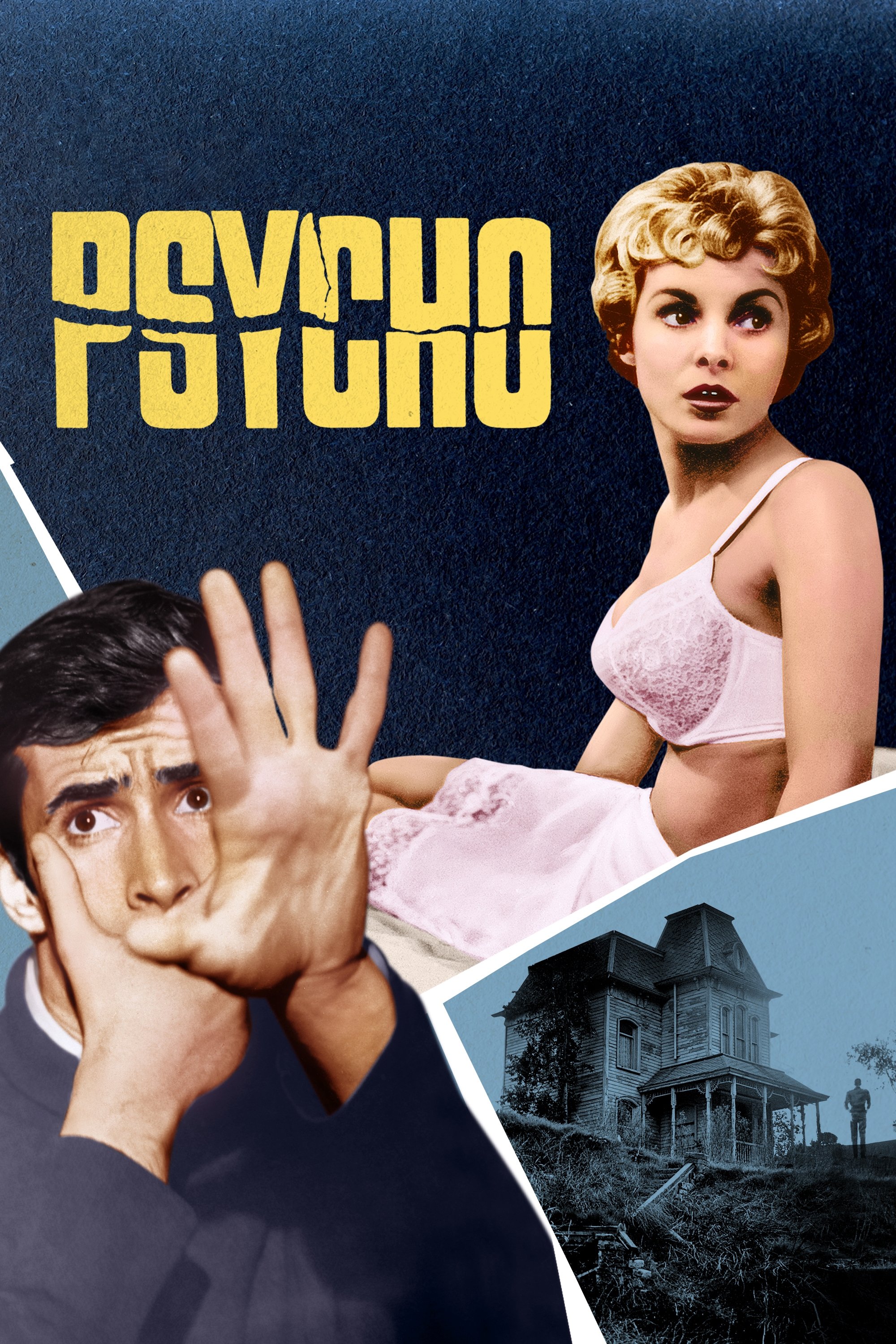
Psycho
1960 / 109m
The movie that changed what mainstream audiences thought horror could be.
A young woman steals money from her employer and disappears, eventually stopping at the isolated Bates Motel. She meets the strange and nervous Norman Bates, who runs the motel with his apparently domineering mother.
Obviously, the less you know about the plot, the better.
Psycho is fascinating because it was revolutionary without looking like a traditional monster movie. Hitchcock takes ordinary people and puts them into increasingly horrifying circumstances. The famous shower sequence became one of the most influential scenes in cinema, but the entire movie is constructed around suspense, voyeurism, paranoia and psychological instability.
It is also surprisingly modern in its pacing and storytelling. For a movie from 1960, it does not feel completely alien from contemporary cinema.
4. The Exorcist (1973)

The Exorcist
1973 / 122m
The ultimate possession movie.
A young girl, Regan MacNeil, begins exhibiting increasingly disturbing behaviour. After doctors fail to find an explanation, her mother eventually turns to the Catholic Church, leading to an exorcism.
What made The Exorcist such a phenomenon was its seriousness. This was not presented as a fun monster movie. William Friedkin approached the story almost like a realistic drama about a family experiencing something they cannot comprehend.
That is what makes the horror work. The movie spends considerable time establishing Regan and her mother as ordinary people before everything begins to deteriorate. It is disturbing, occasionally grotesque and remarkably bleak. It also became one of those movies whose reputation grew beyond the film itself. Even people who have not seen it know many of its images.
5. Rosemary's Baby (1968)
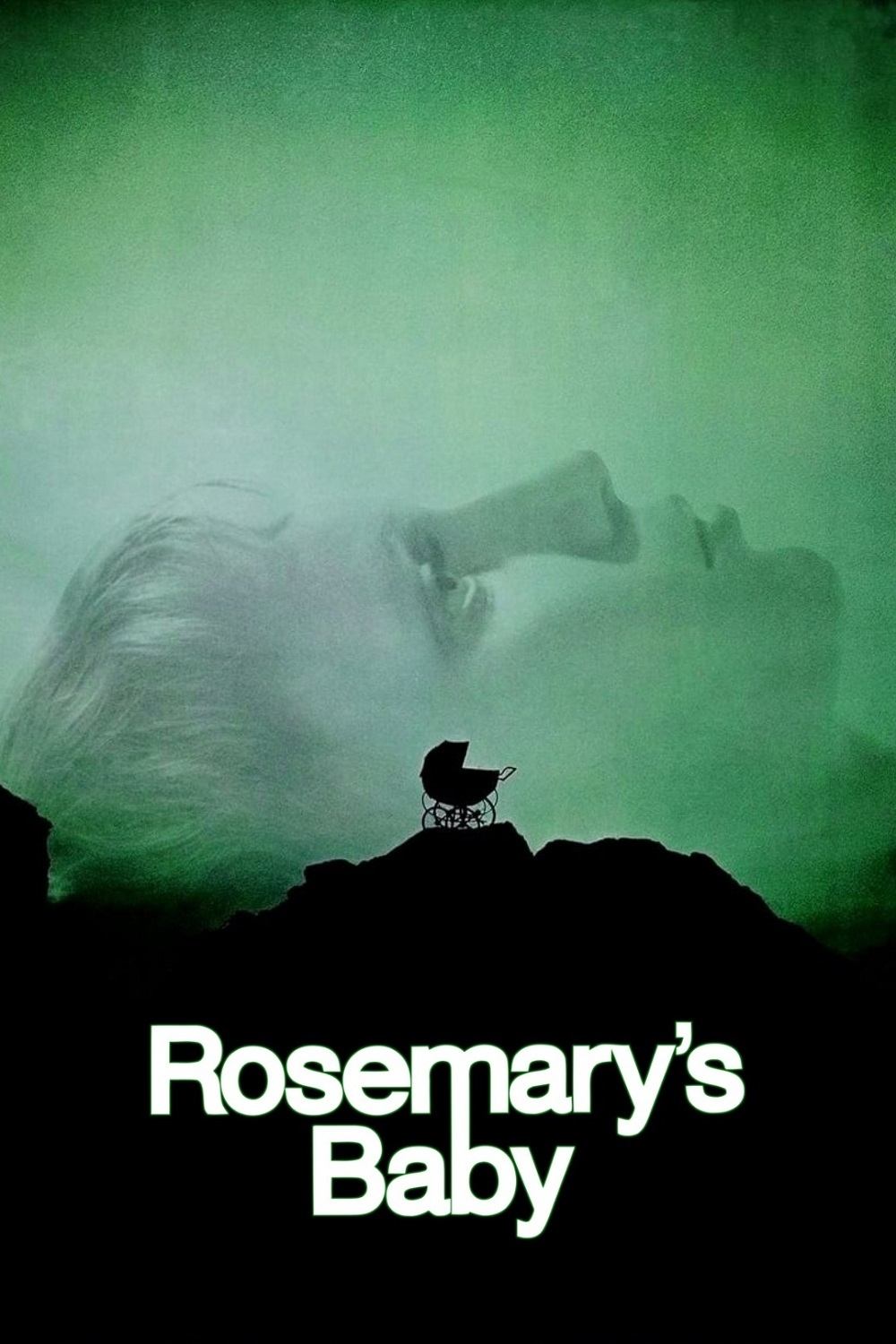
Rosemary's Baby
1968 / 137m
Paranoia, pregnancy and Satanism wrapped in one very uncomfortable package.
Rosemary and her husband move into an old New York apartment building with an unsettling history. After becoming pregnant, Rosemary begins to suspect that her neighbours and even her husband may be involved in something sinister.
Unlike The Exorcist, this movie is not interested in throwing supernatural horror directly into your face. The terror comes from uncertainty. Is Rosemary actually in danger? Is she imagining things? Are the people around her manipulating her?
That ambiguity makes the movie increasingly claustrophobic. Her apartment becomes a place where she cannot trust anyone, and even the people who claim to care about her become suspicious.
It is one of the great examples of horror built around paranoia rather than violence.
6. The Texas Chain Saw Massacre (1974)

The Texas Chain Saw Massacre
1974 / 83m
Dirty, chaotic and terrifyingly physical.
A group of young people travelling through rural Texas encounter a family of cannibals, including the iconic Leatherface.
The movie looks almost documentary-like. It does not have the polished visual language of something like The Shining. Everything feels hot, sweaty, dirty and unpleasant. The production itself was famously difficult, and that roughness became part of the film's identity.
Leatherface subsequently became one of horror's most recognisable villains, but the film itself is much stranger than the character's pop-culture image suggests. It has a sense of escalating insanity that makes the final stretch particularly exhausting.
Despite the title and reputation, much of its horror comes from suggestion, sound and atmosphere rather than explicit gore.
7. The Evil Dead (1981)

The Evil Dead
1981 / 85m
Five people, one cabin and a truly terrible weekend.
Before Ash Williams became the chainsaw-wielding hero fighting the dead while cracking iconic one-liners, he started out as an everyday man trying to survive the unlikeliest of situations. He and a group of friends travel to an isolated cabin in the woods and discover an ancient book that unleashes a supernatural force.
Sam Raimi's The Evil Dead is horror pushed to an almost cartoonish extreme. The camera moves through the woods, characters get possessed, bodies are mutilated and the movie continually finds new ways to make the situation worse.
But underneath all the insanity is some extremely inventive filmmaking. Raimi had limited resources and compensated with aggressive camera movement, practical effects and sheer visual creativity.
8. The Thing (1982)

The Thing
1982 / 109m
Paranoia in Antarctica.
An American research team discovers that something has gone terribly wrong at an Antarctic station. They soon encounter an extraterrestrial organism capable of perfectly imitating other living beings.
The terrifying part is not simply the creature. It is the fact that you do not know who is still human.
Once the characters realise that the creature can imitate them, trust collapses completely. Every conversation becomes suspicious. Every person becomes a potential threat. Carpenter combines this paranoia with some of the greatest practical creature effects of the era.
The film was initially poorly received by some critics but eventually developed an enormous cult following and is now widely regarded as one of the finest science-fiction horror films ever made.
9. The Nightmare Before Christmas (1993)

The Nightmare Before Christmas
1993 / 76m
The least frightening movie here, but possibly the most Halloween-ish.
Jack Skellington is the Pumpkin King of Halloween Town, but he has become bored with the annual Halloween routine. When he discovers Christmas Town, he decides that Halloween Town should take over Christmas.
What makes The Nightmare Before Christmas so enduring is its atmosphere. Tim Burton's gothic character designs, stop-motion animation, Danny Elfman's music and bizarre little world make it feel like a Halloween decoration that somehow became a feature film.
It is also one of the rare movies that genuinely works for both Halloween and Christmas, although Halloween is where it belongs.
10. A Nightmare on Elm Street (1984)
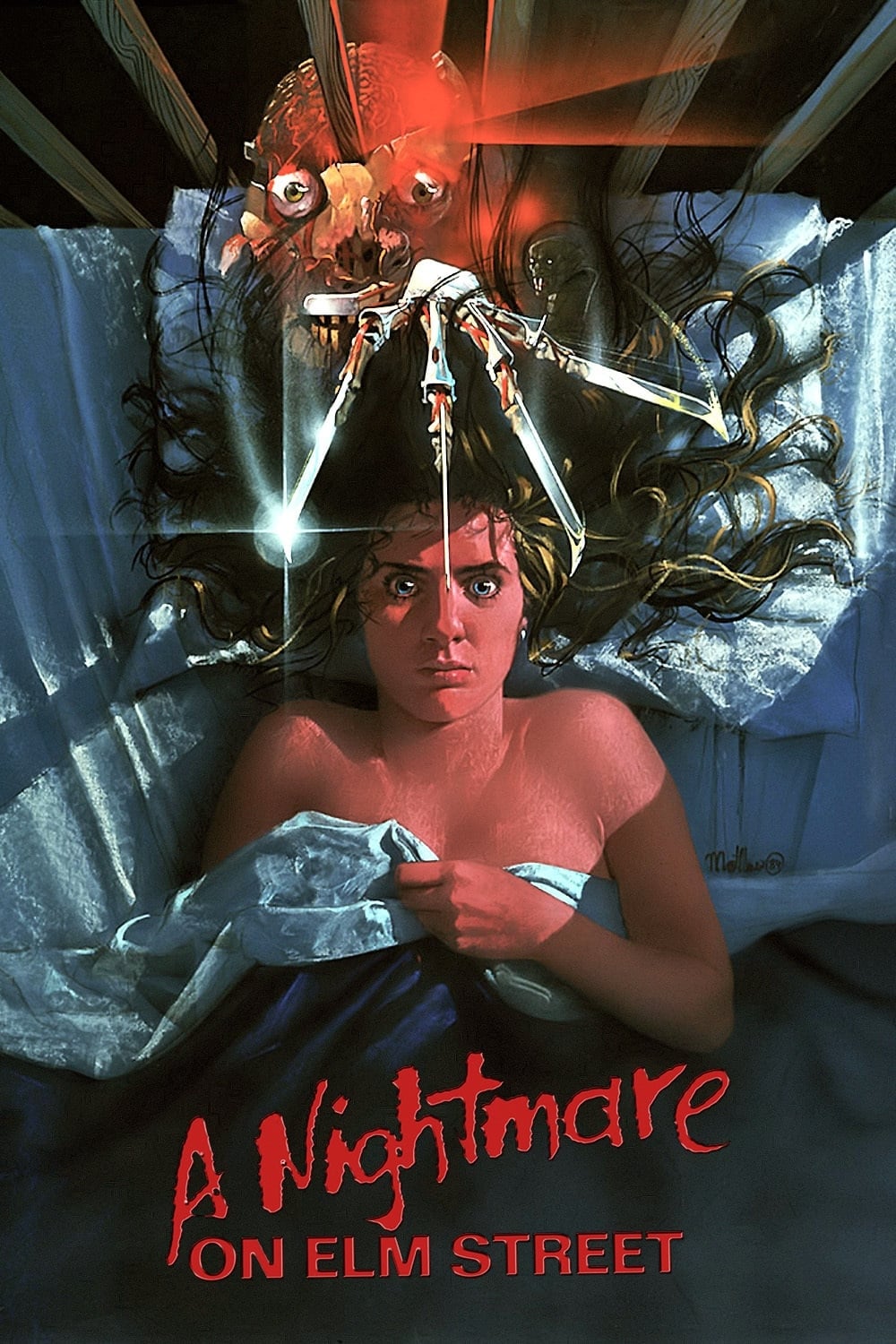
A Nightmare on Elm Street
1984 / 91m
The nightmare that became a horror icon.
A group of teenagers begin experiencing terrifying nightmares about a burned man wearing a bladed glove. Soon, they discover that dying in their dreams means dying in real life. Their tormentor, Freddy Krueger, has become one of horror cinema's most recognisable villains.
Wes Craven takes a simple premise and turns it into something genuinely unsettling. Unlike Michael Myers, who stalks you in the physical world, Freddy can invade the one place where you should be safe: your own mind. The dream sequences allow for surreal imagery, inventive practical effects and a constant feeling that reality itself is breaking apart.
The film also launched a major horror franchise and helped establish Freddy as a pop-culture phenomenon. Robert Englund's performance gave the character an instantly recognisable appearance and personality, influencing decades of supernatural horror.
Your Halloween watchlist
There is no single way to spend Halloween, and that is part of what makes the holiday so much fun. Whether you prefer slow-burning paranoia, supernatural horror, classic slashers or something a little stranger, these films offer plenty of ways to spend the night.
Some have become cultural landmarks, others found their audience years after release, but all of them have left a lasting mark on horror cinema. Pick the one that fits your mood, settle in, and let the movie take you wherever it wants to go.